
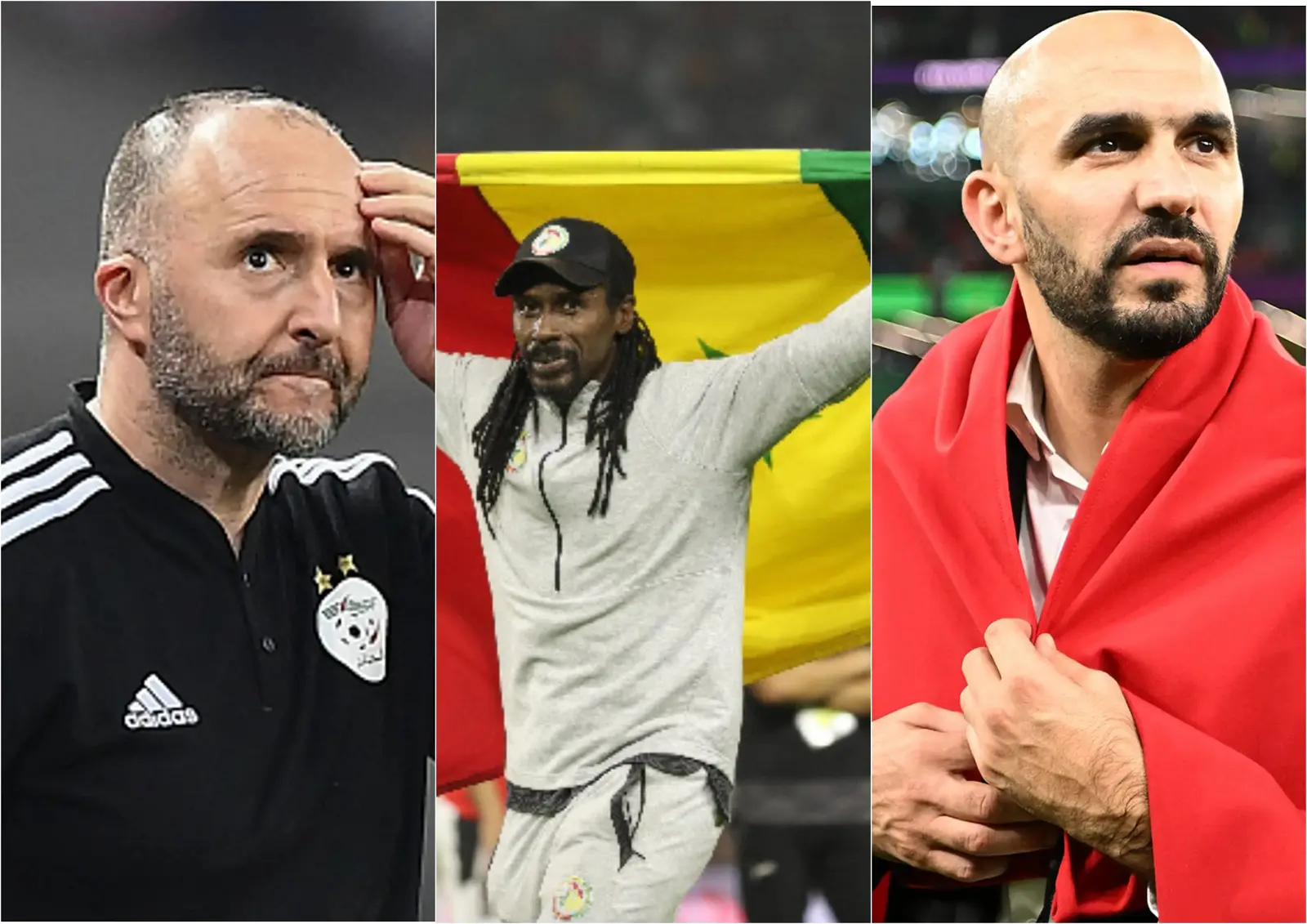
A transformative shift in African football coaching is witnessed as indigenous coaches lead their national teams, marking a departure from foreign management. The 2022 FIFA World Cup showcased a historic moment with all African representatives coached by Africans, underlining the growing influence of local talent in shaping the continent’s football narrative.
Senegal’s Aliou Cisse’s triumph at AFCON 2022 and Morocco’s groundbreaking journey to the World Cup’s top four reflect the success of African coaches. The trend extends to the AFCON competition, where indigenous coaches have claimed victory in the last two editions.
Examining AFCON 2023, 13 out of 24 participating nations, including Senegal, Cameroon, and Mali, opt for indigenous coaches. Notably, Algeria, Nigeria, and Egypt choose foreign coaches. The coaching lineup features nationalities such as France, Portugal, Belgium, Ireland, and Israel, showcasing a diverse mix.
With notable coaches like Djamel Belmadi, Djamel Belmadi, and Aliou Cisse, African coaches have demonstrated their prowess on the continental stage. As AFCON 2023 approaches, the spotlight is on these coaches as they strive for success and further elevate the prominence of African football leadership.