
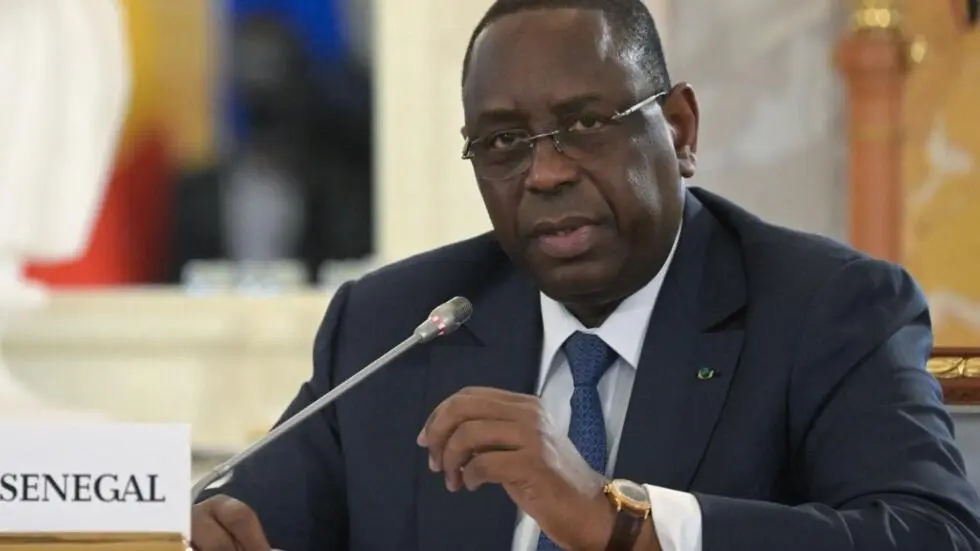
Senegal faced its second mobile internet blackout this month on Tuesday as authorities prohibited a march against the postponement of the presidential election to December by President Macky Sall. The decision, which shifted the vote from February 25 to December, sparked a crisis resulting in three fatalities during clashes between protesters and security forces.
In a statement, the Ministry of Communication, Telecommunications, and Digital Energy explained that the suspension on February 13 was prompted by the dissemination of subversive hate messages on social networks, leading to violent demonstrations.
This marks the second time mobile data access was temporarily restricted, with the previous incident occurring eight days prior when parliament supported President Sall’s decision to delay the election. The move faced criticism from rights activists and major international partners, including the United States and the European Union.
Notably, the restriction of mobile internet access in Senegal has become a recurring tactic, previously employed in June amid heightened tensions. This measure, aimed at curbing mobilization and communication through social networks, has faced strong condemnation from rights activists. Access was eventually restored on Wednesday, adding to the ongoing debate surrounding the government’s handling of the electoral delay.