
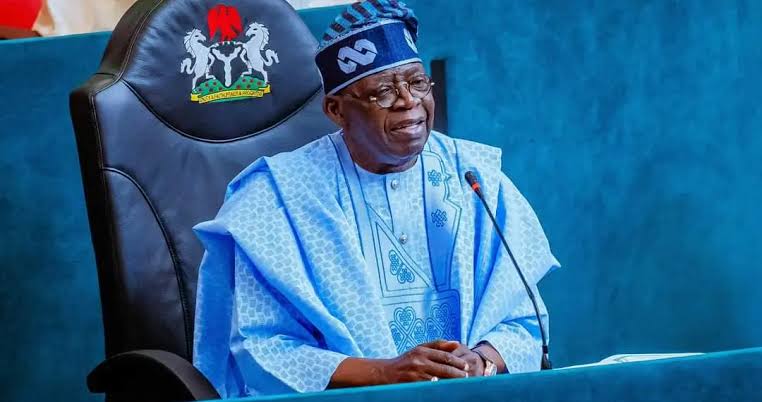
Abuja, Nigeria – President Bola Tinubu today inaugurated the Presidential Economic Coordination Council (PECC), a high-level body tasked with driving economic transformation and addressing Nigeria’s pressing economic challenges.
The PECC, chaired by President Tinubu, comprises a diverse membership of top government officials, including the Vice President, Senate President, Speaker of the House of Representatives, and 12 Ministers, as well as the Governor of the Central Bank of Nigeria. The private sector is represented by prominent business leaders, including Aliko Dangote, Tony Elumelu, and Abdul Samad Rabiu.
The council’s establishment raises questions about potential duplication of efforts with the existing National Economic Council (NEC), which has similar objectives. However, the Presidency has clarified that the PECC will focus on strategic economic coordination and policy implementation, while the NEC will continue to provide advisory services.
In his inaugural address, President Tinubu emphasized the need for innovative solutions and public-private partnerships to address Nigeria’s energy security, agriculture, health, and social welfare challenges. He set ambitious targets, including increasing oil production to 2 million barrels per day and on-grid electricity to 6 gigawatts within the next 12 months.
The PECC’s Economic Stabilization Programme aims to boost agriculture production, improve healthcare services, and provide access to finance for MSMEs and the manufacturing sector. Fiscal measures include support for youth-owned enterprises, a Manufacturing Stabilization Fund, and a Mortgage Finance Acceleration Facility for affordable housing.
Vice President Kashim Shettima, who serves as the council’s vice chairman, emphasized the President’s commitment to finding solutions rather than apportioning blame. The Coordinating Minister of the Economy and Minister of Finance, Wale Edun, presented the highlights of the Accelerated Stabilization and Advancement Plan, which details economic issues to be resolved in 2024.
The PECC’s inauguration marks a significant milestone in Nigeria’s economic landscape, and its success will depend on the council’s ability to coordinate efforts, leverage public-private partnerships, and drive policy implementation. As Nigeria navigates its economic challenges, the PECC’s work will be closely watched by stakeholders and international partners alike.