
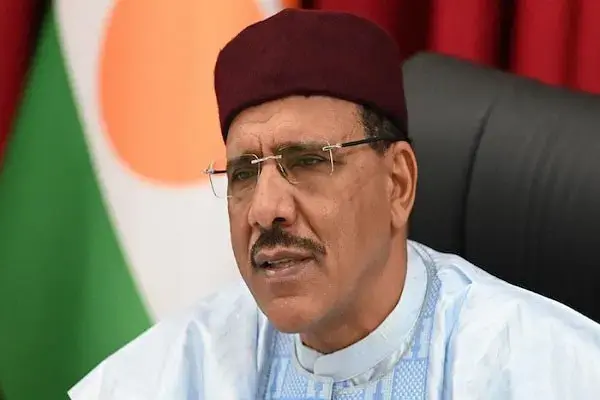
A year after the coup that ousted President Mohamed Bazoum in Niger, he remains under strict detention in Niamey, with an impending trial causing concern among his supporters.
Detention Conditions
Since the July 26, 2023 coup led by General Abdourahamane Tiani, Bazoum and his wife, Hadiza, have been confined to the presidential palace. His last public appearance was in August 2023, during a visit from a Nigerian mediator. Since then, his conditions have worsened, with allegations of an escape attempt leading to increased restrictions. His phone has been confiscated, and only his doctor is allowed to visit him twice a week. Despite these conditions, Bazoum remains resolute, refusing to resign from his position.
Accusations Against Bazoum
The regional bloc ECOWAS’s Court of Justice ordered Bazoum’s release in December, but the ruling was ignored. Niger has since withdrawn from ECOWAS, and the ruling military lifted Bazoum’s presidential immunity last month. He faces charges of “conspiracy to attack the security and authority of the state” and “treason” for allegedly seeking support from French President Emmanuel Macron and US Secretary of State Antony Blinken during the coup. His lawyers, who have had no contact with him, argue that the court lacks legitimacy.
Possible Trial and Sentences
With his immunity lifted, Bazoum may face trial soon, though no date has been set. The charges he faces could result in severe penalties, including the death penalty for treason or life imprisonment for plotting against the state. His lawyers and supporters fear that any trial will be a sham, lacking fundamental guarantees of a fair trial.
Support for Bazoum
Initially, Western leaders and ECOWAS demanded Bazoum’s release, imposing sanctions and threatening military intervention, which never materialized. Sanctions were lifted in February, and international calls for his release have dwindled. A French diplomatic source expressed concern over the impending trial, while the International Monetary Fund, which has resumed aid to Niger, declined to comment on Bazoum’s situation. Rebel movements in Niger have also claimed responsibility for recent attacks on an oil pipeline, demanding Bazoum’s return to power.