
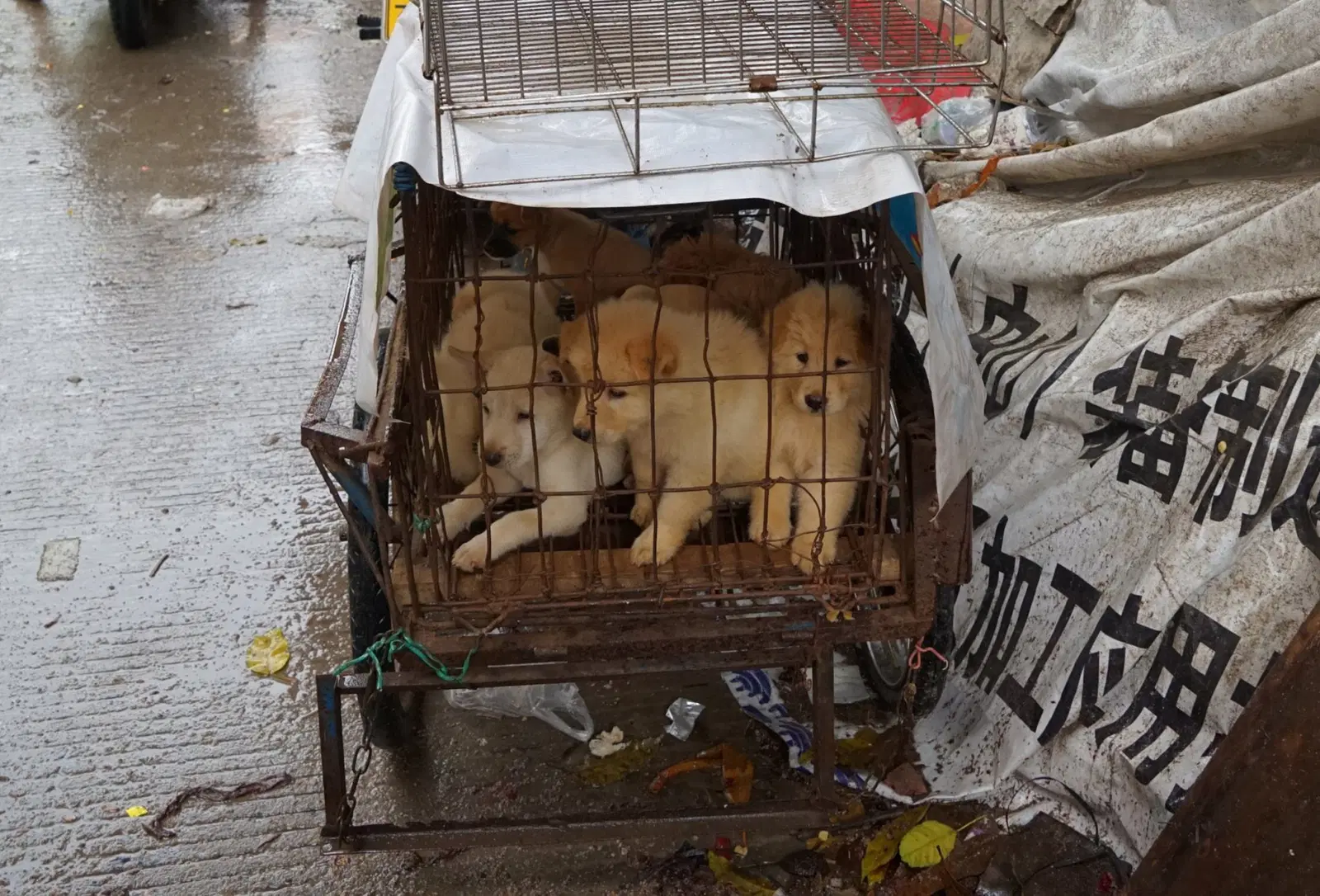
South Korea has announced plans to compensate dog farmers as part of a strategy to phase out the dog meat industry before a nationwide ban takes effect in 2027. The agriculture ministry revealed on Thursday that farmers could receive between 225,000 won (about $169) and 600,000 won for each dog if they agree to shut down their operations early.
Historically, dog meat has been a part of South Korean cuisine, with activists estimating that up to one million dogs were slaughtered annually for the trade. However, consumption has sharply declined in recent years, coinciding with a rise in pet ownership.
In January, South Korea’s parliament passed a significant bill prohibiting the breeding, slaughtering, and selling of dogs for meat. To support this transition, the government has set aside approximately 100 billion won ($75.2 million) to assist nearly 5,900 dog farms, slaughterhouses, and restaurants in closing their businesses.
The ministry aims to reduce the current population of around 466,000 dogs bred for consumption by encouraging voluntary breeding limits. Additionally, the government plans to promote the adoption of these dogs and their placement in safe shelters to prevent euthanasia.
Farmers and butchers will also have access to low-interest loans and subsidies to help them transition to other agricultural endeavors. However, some dog farmers have expressed concerns that the compensation is inadequate to cover their economic losses. “We cannot close our businesses for such a small amount,” a group of farmers stated.
Under the new law, those found breeding, selling, or slaughtering dogs for meat could face up to three years in prison or fines of up to 30 million won ($22,578). Support for the ban has increased under President Yoon Suk Yeol and First Lady Kim Keon-hee, both of whom are vocal advocates for animal rights.