
The sharp rise in fuel prices in Nigeria has caused significant disruption across the economy, with the cost of transportation emerging as one of the most severe consequences. Workers across the country have been left grappling with the skyrocketing cost of commuting, prompting many to resign from their jobs or adopt drastic measures to cope.
In the past year, the Nigerian National Petroleum Company Limited (NNPCL) has raised petrol pump prices multiple times. Recent increases have seen prices in Abuja jump from N656 to over N950 per litre, with some regions reporting costs exceeding N1,000. These increases, driven largely by changes in government policy, have triggered sharp rises in the cost of goods and services, but the transportation sector has been among the hardest hit.
The impact on daily commuters has been profound, with bus fares in cities like Lagos, Port Harcourt and Abuja tripling in recent months. For many workers, the price of travel now consumes a substantial portion of their monthly income, prompting difficult decisions about whether continuing to work is financially viable. Some have opted to leave their jobs, while others have resorted to sleeping at their workplaces during the week to avoid the costs of commuting.
This strain has exposed the challenges faced by the country’s workforce, particularly in a labour market where wages have stagnated despite rising living costs. The private sector, which has been slow to adjust salaries in response to inflation, has come under pressure as employees struggle to make ends meet.
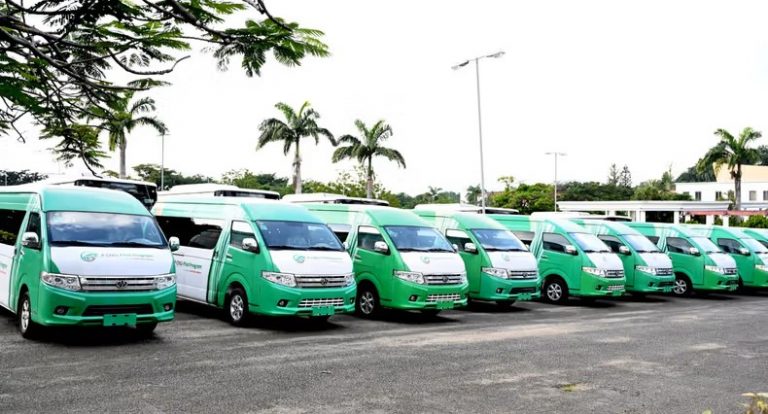
In response to the growing crisis, the Federal Government has introduced measures aimed at alleviating transportation costs. On Sunday, 64 Compressed Natural Gas (CNG) buses were handed over to labour and student leaders in Abuja, as part of an initiative to provide affordable alternatives to petrol-powered vehicles. These 100-capacity buses are intended to reduce the reliance on traditional fuel sources, helping to mitigate the financial burden on commuters.
The move comes amid growing calls for more comprehensive solutions to the economic pressures faced by ordinary Nigerians. While the introduction of CNG buses has been welcomed, it remains to be seen whether the initiative will be sufficient to counterbalance the wider impact of fuel price hikes.
For many, the immediate concern remains the cost of living, which has been driven up by inflation, transport fares, and rising prices for essential goods. As businesses and households continue to adjust to the new economic reality, the challenge for the government will be to ensure that relief measures are not only short-term fixes but part of a broader strategy to stabilise the economy and support the nation’s workforce.