
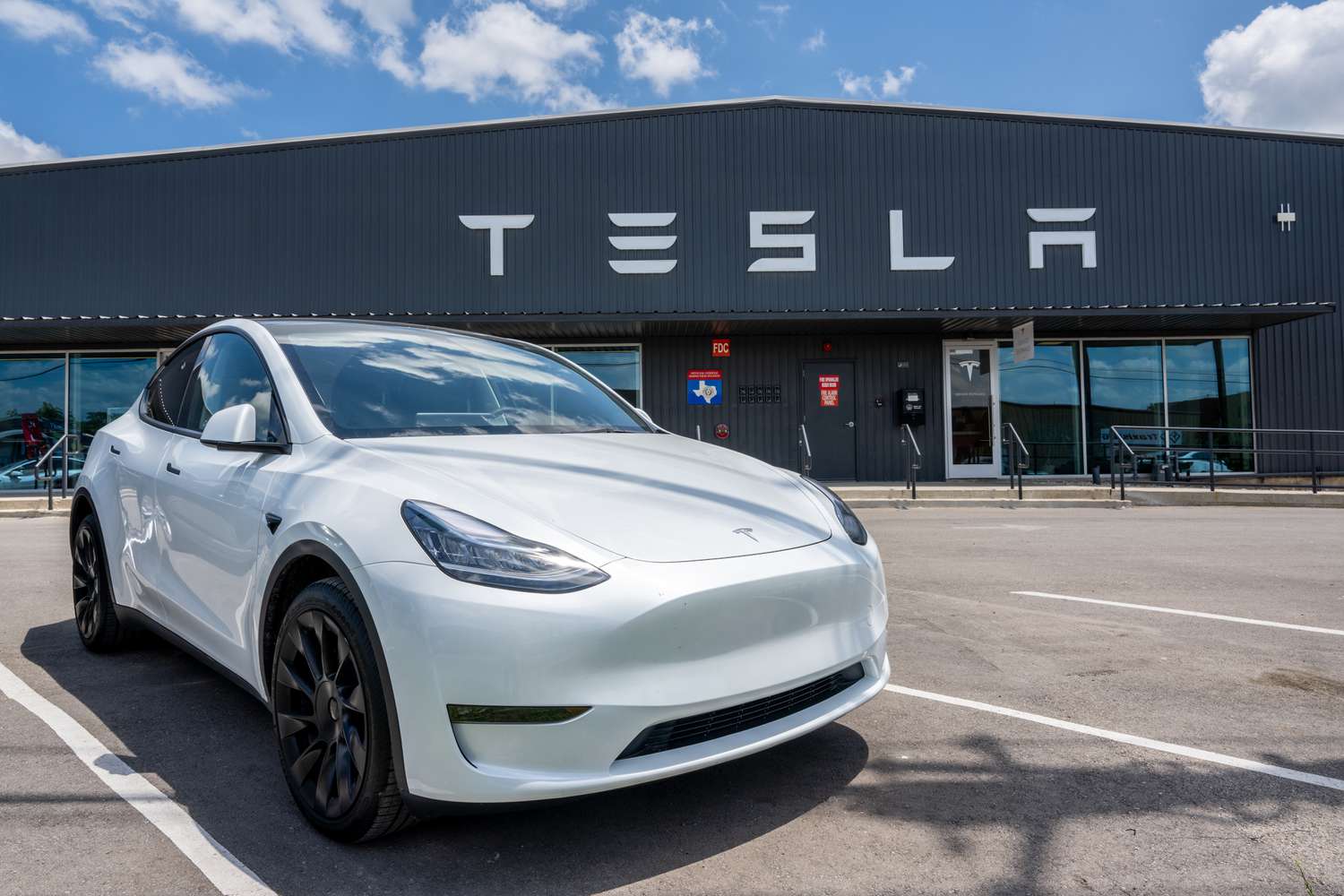
Tesla, the U.S. electric vehicle powerhouse, has launched a bold new chapter in China by introducing advanced self-driving features for its cars, a move announced on Tuesday that could either solidify its foothold or stumble under regulatory pressure. The company is rolling out software updates that bring “automatic Autopilot-assisted driving on city streets” and a rearview mirror function to monitor driver attention—features that echo its “Full Self-Driving” (FSD) capability in the United States. However, these cars are not fully autonomous and still require human supervision, a nuance that looms large as Tesla navigates China’s complex legal landscape.
A Strategic Push in a Critical Market
China isn’t just another market for Tesla—it’s the world’s largest electric vehicle arena, where the company operates two factories and faces fierce competition from fast-growing domestic players like BYD and NIO. Tesla’s WeChat statement detailed a phased rollout, noting that the update “has already been released for some car models” and will gradually extend to others. First reported by the state-owned Shanghai Daily, this development marks a significant step in Tesla’s bid to differentiate itself with cutting-edge technology in a crowded field.
The Tech: Ambitious but Supervised
The new features include Autopilot assistance for urban driving—a leap beyond highway-focused systems—and a driver-monitoring function via the rearview mirror. These align closely with Tesla’s FSD suite in the U.S., but the company emphasizes that human oversight remains essential. This supervised approach reflects both the technology’s current limits and the regulatory realities Tesla must address in China.
Regulatory Hurdles: Data and Privacy in Focus
China’s strict data and privacy laws pose a formidable challenge. Self-driving systems like Tesla’s rely heavily on collecting and processing vast amounts of data, from road conditions to driver behavior. Compliance with local regulations isn’t optional—it’s a prerequisite for approval. Tesla has been working to secure the green light for FSD in China, a process that demands meticulous attention to how data is handled, stored, and protected. Any misstep could derail the rollout or draw penalties, making this a high-stakes balancing act.
Competitive Pressure: A Race Against Local Giants
Tesla isn’t alone in this race. Domestic manufacturers like BYD and NIO are rapidly advancing their own self-driving technologies, narrowing the gap with the U.S. giant. Tesla’s two factories in China underscore its commitment to localizing production and R&D, but the self-driving push could be the decisive factor in maintaining its edge. Success here could cement Tesla’s leadership; failure could see it overtaken by nimbler rivals.
What’s Next?
The gradual rollout signals Tesla’s cautious optimism—starting with select models before scaling up. For now, the company is betting that its self-driving tech can outpace both regulatory scrutiny and domestic competition. Whether this gamble pays off will depend on Tesla’s ability to innovate within China’s tightly controlled framework, proving that its vision can thrive not just on open roads, but in the maze of rules that govern them.