In Alimosho, Lagos — a bustling district once pulsing with activity — darkness has lingered far too long. For over three months, residents and business owners on six streets—Raji Oba, Awoyemi, Folarin, Ajala, Olonade, and Akinshola—have been plunged into a punishing blackout, with no end in sight.
Since mid-March, a faulty transformer removed for repairs has yet to be replaced, leaving the community without electricity. This silence from the grid is not just inconvenient—it’s catastrophic.
Businesses are floundering, water pumps sit idle, security lights stay dark, and residents say they now sleep with one eye open.
“We’ve been struggling in darkness,” said a resident, Mama Chioma, whose voice trembles more from fatigue than frustration. “Businesses have collapsed. We’re pleading for help.”
Another resident, Michael, emphasized that the outage has turned the streets into easy targets for criminals. “No power, no water, and no safety,” he said. “We’ve made calls, written letters, and nothing has changed. We’re simply asking to be seen, to be heard.”
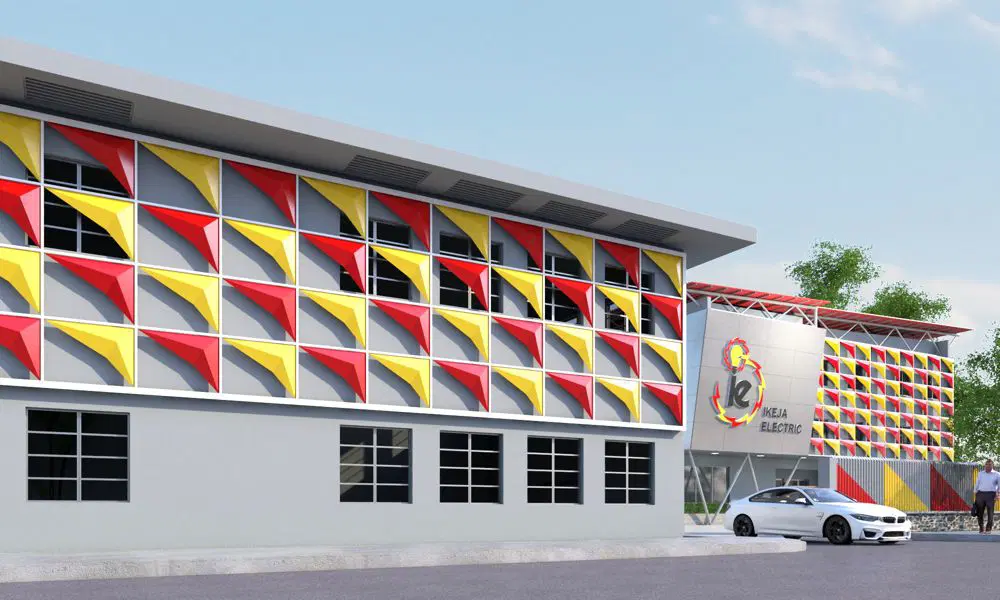
The six streets fall under Band A consumers—an elite classification promised 20 to 24 hours of electricity daily by the Ikeja Electricity Distribution Company (IKEDC). But for over 90 days, that promise has meant nothing. Their transformer was removed, and with it, their access to basic modern living.
A formal letter, dated March 16 and sent by the Olonade-Akinsola community to IKEDC, paints a grim picture: shuttered businesses, failing healthcare services, and a rising sense of insecurity.
“The blackout has crippled economic activity and daily life,” the letter reads. “We’ve made repeated efforts through customer service and local offices. Still, the situation remains unchanged.”
Now, residents are calling not just on IKEDC, but also on the Nigerian Electricity Regulatory Commission (NERC) and the Federal Competition and Consumer Protection Commission (FCCPC) to intervene—urgently.
What was once a quiet plea is now a loud alarm. The people of Olonade, Akinshola, and surrounding streets are no longer just asking for power. They are demanding accountability, safety, and the dignity of being treated as citizens—not shadows.