
Nigeria NewsHouse – Special Editorial Report
A Trail of Tragedies
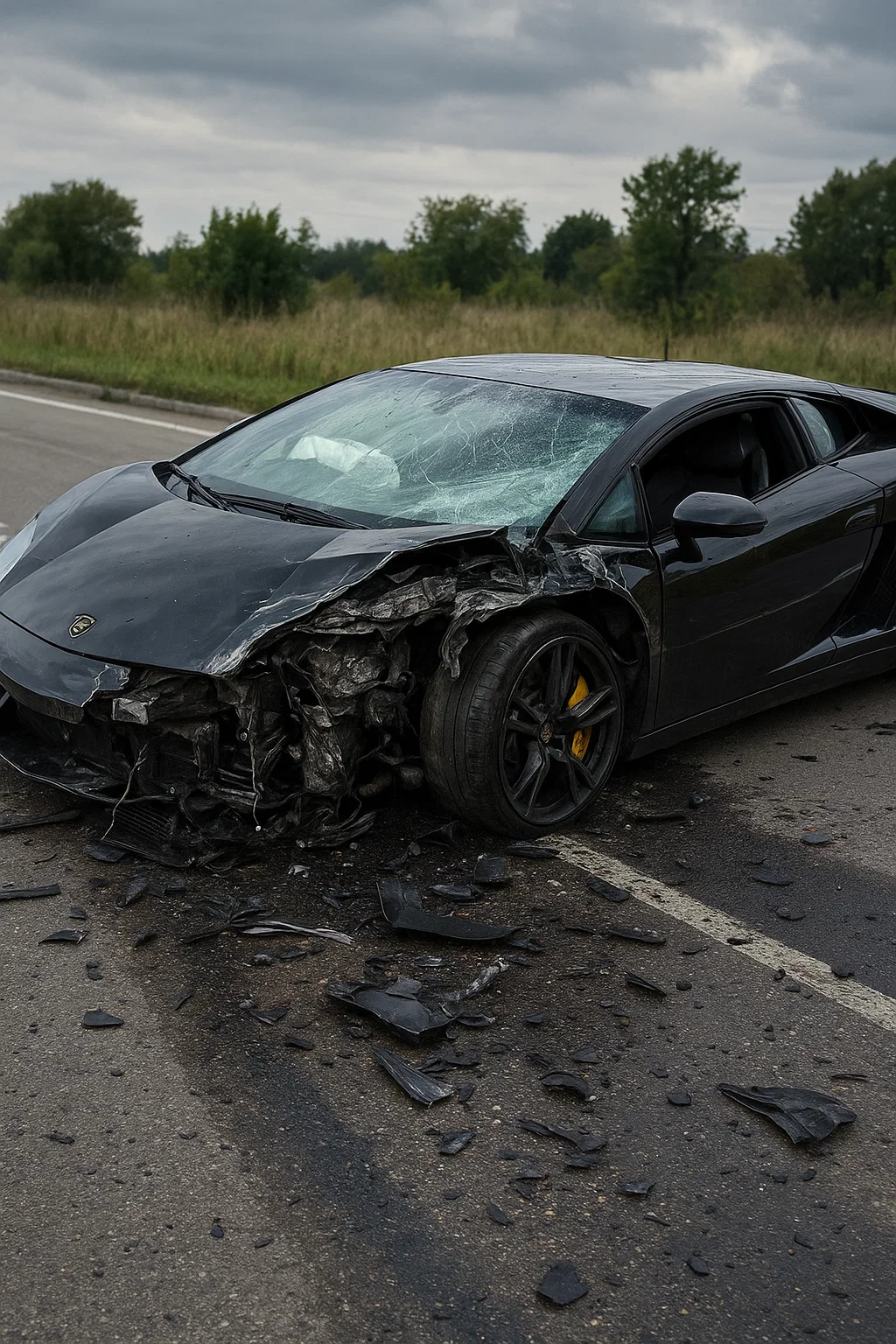
On July 3, 2025, Diogo Jota and his brother André Silva lost their lives in Zamora, Spain. Their Lamborghini suffered a tire blowout during a high-speed maneuver and veered off-road, erupting into flames. This tragedy mirrors the 2013 death of Paul Walker, whose Porsche Carrera GT slammed into a lamppost at over 100 mph, and Princess Diana’s 1997 crash, which saw her speeding Mercedes-Benz S280 crash in Paris as she fled paparazzi.
Despite the decades between them, these deaths share common elements: excessive speed, luxury performance vehicles, and catastrophic failures. Public concern is growing, particularly on social media platforms like X (formerly Twitter). One user wrote: ‘Luxury cars are marketed as safe, but they’re built for speed, not survival.
Lightweight frames and fancy tires crumble under pressure.’Another added: ‘Why do we trust these cars to handle 200 km/h when their tires can’t take a bump?’
The Performance-Safety Divide
At the heart of this issue is a fundamental trade-off. Supercars-like Ferraris, Lamborghinis, and McLarens-are engineered for thrill, not caution. A 2025 McKinsey report projects the luxury car market will hit $920 billion by 2029, fueled by growing demand for high-speed electric SUVs and
supercars. Vehicles like the Tesla Model S Plaid boast 0-60 mph in under two seconds. To achieve such performance, automakers utilize ultra-light materials-carbon fiber, aluminum, and magnesium alloys. While these reduce weight and improve speed and fuel efficiency, they can weaken structural integrity in a crash.
The Insurance Institute for Highway Safety (IIHS) has documented how models like the 2012 Mercedes-Benz C-Class fared poorly in small-overlap crash tests, resulting in increased leg and foot injuries due to less protective cabin designs. High-performance tires, often low-profile and designed for style and grip, have minimal sidewalls. At high speeds, especially on suboptimal roads, these tires are vulnerable to blowouts. A viral post put it bluntly: ‘Low-profile tires look sleek, but they’re a disaster waiting to happen at 100 mph.’ And there’s more: high-speed engine bays, packed with electronics, can suffer from heat build-up, software glitches, or brake fade, undermining both performance and safety.
Why Speed Still Wins
Three key forces drive this imbalance between safety and performance:
- Consumer Demand Super-rich buyers often chase speed and status over safety.
- Testing Gaps – Ultra-luxury cars are produced in limited volumes, allowing them to bypass the rigorous testing applied to mass-market vehicles.
- Market Double Standards – In emerging markets, some models-even luxury ones-may lack advanced safety systems found in Europe or the U.S.
Are We Seeing Progress?
Yes-some luxury vehicles now include advanced safety tech. Many automakers are incorporating features once reserved for executive sedans: The 2025 Mercedes-Benz C-Class earned an IIHS Top Safety Pick+. Porsche’s Cayenne SUV features InnoDrive, a smart, predictive safety system.
The Genesis G80 Electric has been lauded for its crash-test performance. Still, failures persist. A 2023 Mercedes-Benz crash in Noida, India, ended fatally despite active safety systems. Tesla’s Autopilot remains under regulatory scrutiny, while vulnerabilities in BMW and Ferrari’s connected car systems have exposed millions to software-related risks. Overreliance on smart tech has also dulled driver vigilance. As one post warned: ‘People think premium engineering makes them untouchable. But no car is crash-proof.’
A Call for Change
The global luxury car industry stands at a defining moment. Manufacturers must invest in rigorous crash testing, including high-speed and small-overlap scenarios for all models. Tire and suspension designs need rethinking for real-world resilience. Regulatory bodies must expand testing to include supercars and electric luxury vehicles, and consumers must demand transparency in safety ratings, not just performance stats.
Conclusion: Prestige Must Not Precede Protection
The deaths of Diogo Jota, Paul Walker, and Princess Diana are not just tragic-they are warnings. Luxury cars should represent the pinnacle of safety as much as performance.
The thrill of the drive should not come at the cost of human life. It is time for the auto industry to shift gears-towards accountability, durability, and above all, safety.
The Nigeria NewsHouse Editorial Board calls on automakers, regulators, and consumers to confront
this imbalance. The speed of the future must not leave safety in its rear-view mirror.
Sources: Reuters, Times of India, McKinsey & Co., IIHS, Global NCAP, MotorTrend, X.com user posts, The
Telegraph UK