
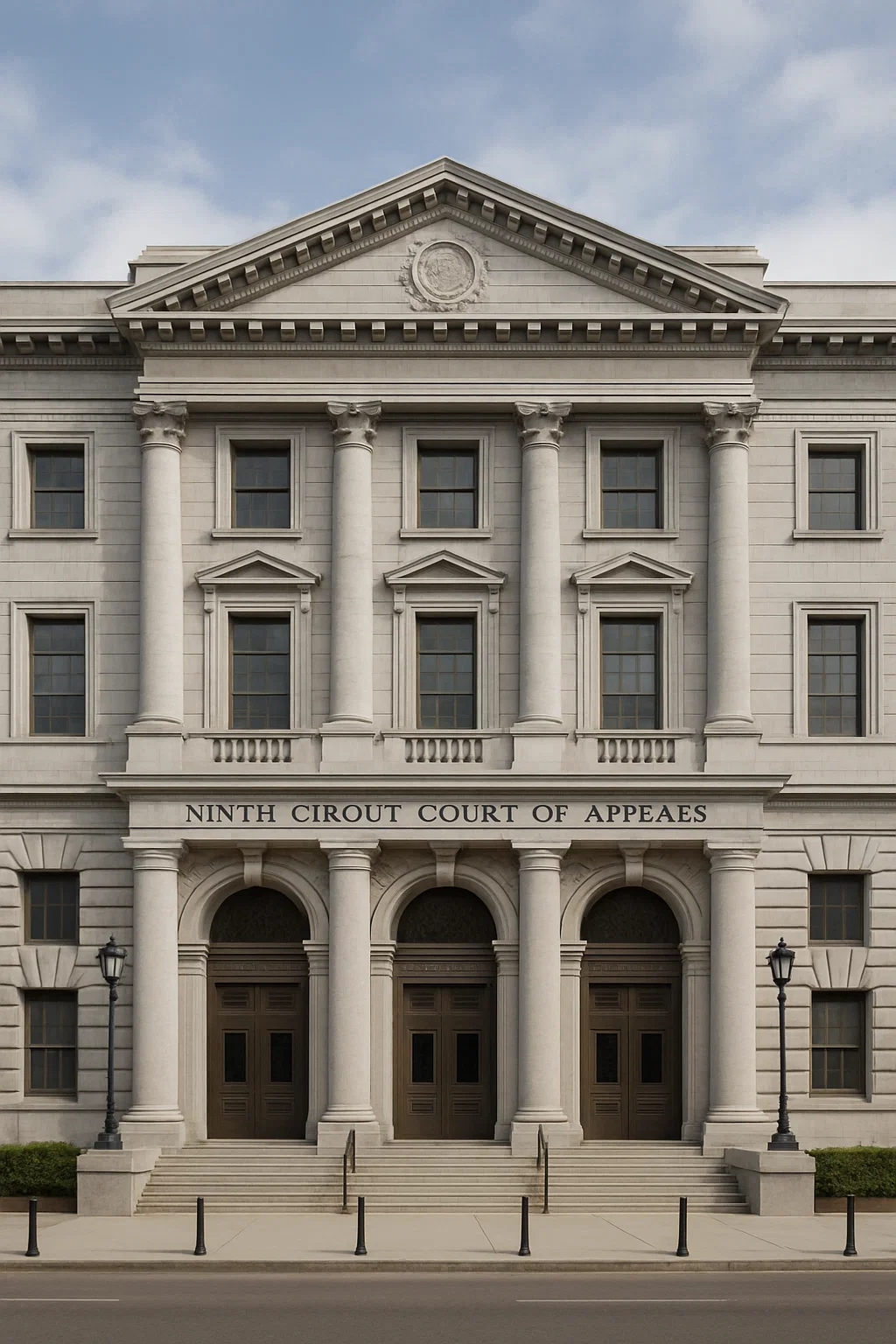
In a landmark procedural ruling, a U.S. federal appeals court has rejected a constitutional challenge to three Washington state laws aimed at protecting the rights of minors, particularly transgender youth. The decision means the laws remain in effect, dealing a major blow to conservative challengers and a win for advocates of transgender rights.
The Ninth Circuit Court of Appeals ruled that the groups and parents who brought the lawsuit lacked legal standing to sue—essentially determining they were not directly harmed by the laws and therefore could not challenge them in court. The court did not rule on whether the laws were constitutional, only that the case could not proceed.
The challenged laws include Washington’s “shield laws,” which provide refuge and healthcare access to transgender youth—especially those fleeing states that have banned gender-affirming care. These laws prevent out-of-state interference and support minors seeking transition-related services without parental consent in certain cases.
This ruling comes on the heels of a more conservative decision by the U.S. Supreme Court, which in June upheld Tennessee’s ban on gender-affirming care for minors. That decision empowered over 20 U.S. states to continue enforcing similar restrictions.
However, Washington remains a vocal outlier, standing firm on its pro-LGBTQ+ stance. Governor Jay Inslee previously described the shield laws as part of Washington’s commitment to “protect vulnerable young people and their rights to healthcare and dignity.”
Who Gains?
In practical terms, this ruling favors the political left and LGBTQ+ advocacy groups, as the law remains intact. Conservative groups opposing gender-affirming care for minors were dealt a setback, although future legal challenges are still possible.
The case reflects the deepening divide across the U.S. on the issue of transgender rights, with blue states like Washington enacting protections, and red states moving in the opposite direction.
For now, Washington’s laws remain untouched—and transgender minors in the state continue to be legally shielded.
For continued global legal and human rights coverage, stay with NNH – Nigerian News House.