By Nigerian News House Editorial Board
Tuesday, July 29, 2025
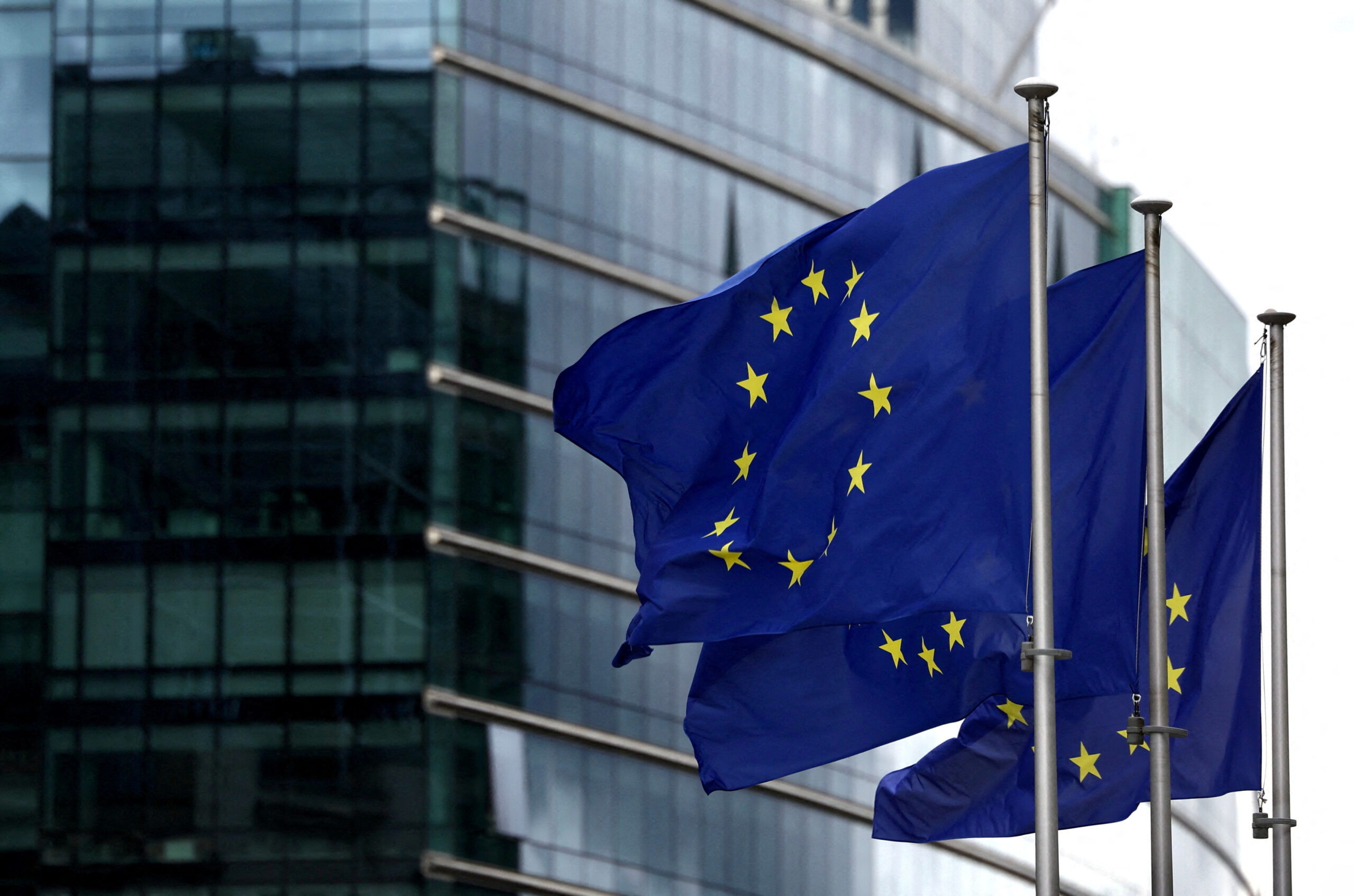
The European Banking Authority (EBA) has published a striking report on the state of money laundering and terrorist financing risks across the EU financial sector. The document is clear, direct, and self-critical. It identifies serious gaps in how banks, fintechs, crypto asset service providers, and payment institutions are managing compliance. It also shows how automation and technology are now being used to bypass controls and scale financial crime.
The EBA’s approach sets a benchmark. It acknowledges where things are failing and where institutions are falling behind. That level of transparency demands attention—especially in jurisdictions like Nigeria. Here at home, the challenges are familiar: weak due diligence systems, poor coordination between regulators, rapid expansion of unregulated crypto channels, and an enforcement regime that hasn’t kept pace with digital threats. The Nigerian Financial Intelligence Unit (NFIU) continues to show competence and commitment, but the current compliance framework offers little structural support.
One practical step is already before the National Assembly. The Compliance Institute of Nigeria Charter Bill, sponsored by Senator Barinada Mpigi, Chairman of the Senate Committee on Works, is key to resolving the human capital and institutional deficit in our compliance ecosystem. The bill proposes a nationally recognized institute to train, certify, and regulate compliance officers across all regulated sectors—banking, telecoms, capital
markets, fintech, insurance, and more.
“The Compliance Institute Charter will give Nigeria a trained, accountable compliance workforce across all sectors. We need it passed now,” said Ashley Emenike, Secretary of the Nigeria chapter of the Global Organization of Parliamentarians Against Corruption (GOPAC) and Senior Legislative Aide to Senator Barinada Mpigi. In addition to fast-tracking the bill, the NFIU must be equipped with stronger surveillance tools, live data feeds from all transaction-monitoring platforms, and the legal authority to compel timely reporting across sectors. The agency should publish regular, public-facing risk assessments and be backed by an enforcement framework that doesn’t depend on institutional goodwill.
There is also a growing need to interconnect compliance infrastructure. Suspicious transaction reports, high-risk customer flags, crypto movements, politically exposed persons, and beneficial ownership records must feed into a central compliance grid that can be accessed by key regulators in real time.
Nigeria doesn’t lack capacity. It lacks a modernized structure that can respond to the speed and sophistication of financial crime today. Europe has shown what institutional honesty looks like—and how that honesty becomes the first step toward reform.
To the Senate of the 10th Assembly, this is a moment of consequence. With broad stakeholder support and growing urgency in the global AML space, the Compliance Institute Charter Bill offers Nigeria an opportunity to build a sustainable compliance foundation. It must not be delayed.