
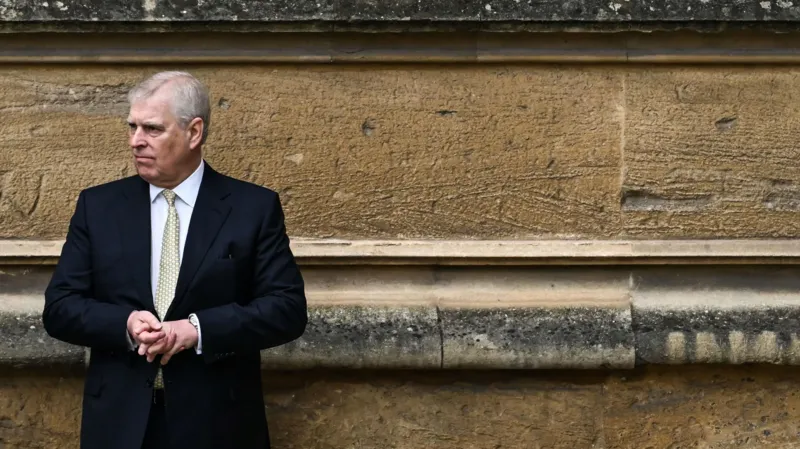
After years of controversy, scandal, and public anger, King Charles III has officially stripped his brother, the former Prince Andrew, of all royal titles and privileges — a move without modern precedent in British royal history.
Buckingham Palace confirmed the decision, not Andrew himself, in a statement that marks a decisive end to his formal royal life. Titles such as Duke of York, Earl of Inverness, and Baron Killyleagh have been rescinded, leaving him simply Andrew Mountbatten-Windsor.
“All that remains is his place in the line of succession,” a royal source noted, though experts say even that could be revoked through an act of Parliament with consent from Commonwealth realms.
The announcement also concluded what has been dubbed the “Siege of Royal Lodge.” After more than a year of resistance, Andrew will vacate his Windsor residence and move to the King’s private Sandringham estate in Norfolk. His ex-wife, Sarah Ferguson, will live separately.
With this shift, Andrew becomes fully dependent on the King — not only for housing but also for financial support — underscoring the final dismantling of his independence within the royal fold.
For Buckingham Palace, the move is being described as “ripping off the bandage” — a painful but necessary step to finally stem the tide of scandal that has engulfed Andrew for decades, most notably his association with convicted sex offender Jeffrey Epstein.
“This is not about punishment alone,” one insider said. “It’s about restoring the integrity of the monarchy.”
The palace’s statement followed renewed public outrage after the posthumous release of Virginia Giuffre’s memoir, which reiterated her allegations that she was trafficked to have sex with Andrew as a teenager — claims he continues to deny.
Public anger toward Andrew remains intense. A YouGov poll published Thursday showed his approval rating at an all-time low, with 91% of Britons expressing an unfavourable view. During a recent visit to Lichfield, King Charles himself was heckled by a protester shouting: “How long have you known about Andrew and Epstein?”
For years, Andrew’s lavish lifestyle and questionable associations — from Epstein and Ghislaine Maxwell to wealthy foreign figures — have fuelled public resentment. Even after losing numerous official roles, he continued to live in royal luxury, a situation many viewed as arrogant and out of touch.
While some observers suggest the public may be weary of the saga, there is still widespread frustration that accountability took so long. Questions linger over how much the royal household knew about Andrew’s dealings and why earlier interventions were so limited.
The decision to strip Andrew of all titles is widely seen as a demonstration of King Charles’s resolve to protect the monarchy’s credibility. Although other senior royals were consulted — including Prince William — it was reportedly the King’s personal decision to act now.
That resolve appears to have hardened after the emergence of an email showing Andrew maintained contact with Epstein, contradicting his previous claims of severing ties after the financier’s conviction.
The development effectively ends Andrew’s public life as a royal. Once seen smiling on the Buckingham Palace balcony as the Duke of York, he will now wake up as Mr. Mountbatten-Windsor — a private citizen, no longer a prince, and no longer protected by the privileges of royal status.