
NNH News Corp OpEd
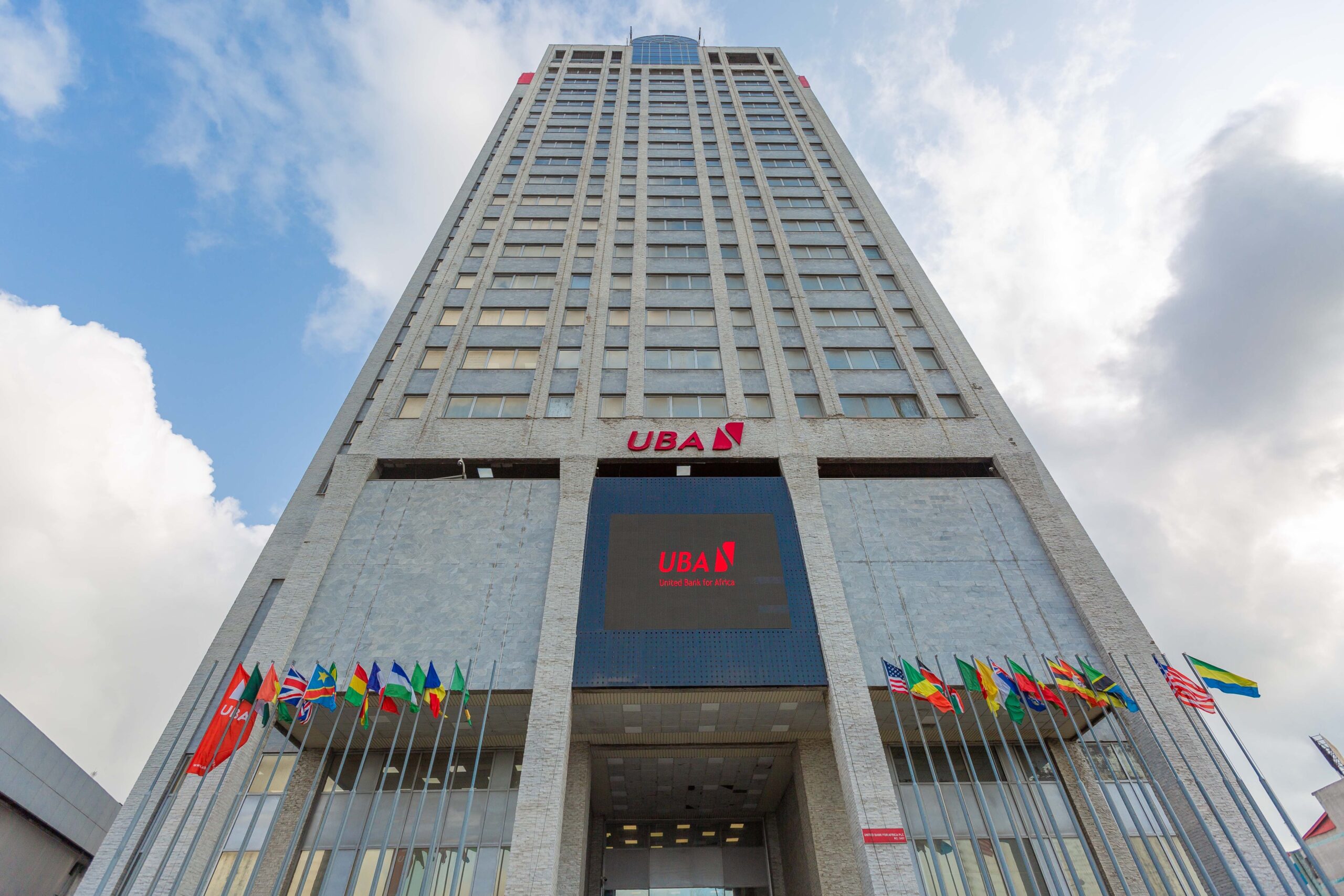
When a bank sweeps continental awards, observers often point first to the financials. United Bank for Africa (UBA) certainly has the numbers: a 46.8% surge in assets, steady profit growth, and an 87% rise in operating revenue in West Africa alone. But UBA’s latest accolade—African Bank of the Year 2025 from The Banker, alongside nine separate “Best Bank” country awards—signals something deeper than strong balance sheets. It reflects a leadership culture that understands the modern African banking challenge: strategy is nothing without people who can execute it.
Across 20 African countries and beyond, UBA has built what many institutions only claim to possess: a genuinely pan-African franchise producing consistent results from Dakar to Lusaka. This does not happen by accident. It happens when leadership imposes standards, maintains discipline and invests in staff capacity—even in turbulent macroeconomic times.
UBA’s technology strategy is a prime example. While many banks still treat digital channels as an optional add-on, UBA has woven them into both customer experience and staff morale. Leo, the AI chatbot now integrated with PAPSS for cross-border payments, and the Advance Top-Up BNPL feature on the 919# USSD line have reduced branch pressure, empowered younger staff and signaled that the institution’s future is not stuck behind a counter. Innovation here is not about shiny apps; it is about enabling employees to serve with less friction and more pride.
The bank’s staffing posture also stands out. In an era of downsizing, UBA continues to expand its workforce of 25,000 people while deepening capabilities in engineering, cybersecurity, analytics and cross-border risk management. That decision—quiet but intentional—has paid off. Service quality awards across nine African markets rarely emerge from disengaged or overburdened staff.
What UBA’s leadership appears to grasp is a principle often forgotten in African corporate culture: institutions rise when their people feel they are rising with them. A bank can buy technology, but it cannot buy genuine pride in execution; that must be built through consistency, communication and credible strategy.
Challenges remain—FX instability, cyber threats, political risk—but the current trajectory offers a continental lesson. While competitors chase short-term wins, UBA is building long-term institutional credibility powered not only by capital, but by culture.
In a decade defined by scepticism toward institutions, one African bank is demonstrating something refreshingly simple: leadership still matters, and employees still know when they are working for an institution worth defending.