Regulator withdraws suspected counterfeit products, urges public vigilance
The National Agency for Food and Drug Administration and Control (NAFDAC) has warned Nigerians about the circulation of unapproved and potentially counterfeit toothpaste products falsely associated with Colgate.
In a statement posted on its official X platform on Sunday, the agency said its Post-Marketing Surveillance Directorate received a complaint about the products being sold in Kaduna State, triggering an immediate investigation.
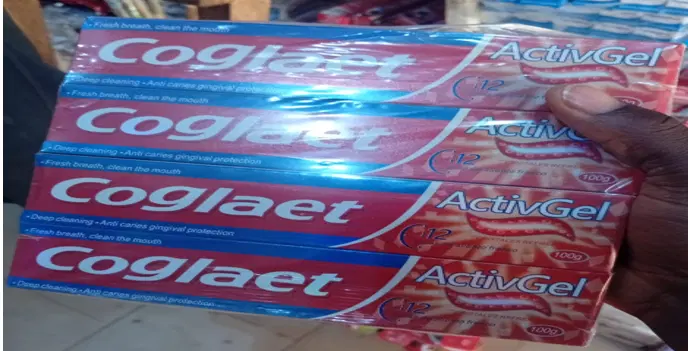
According to NAFDAC, inspectors traced the items to a retail outlet where they discovered two suspicious products labelled “Coglaet ActivGel 100g” and “Coglaet Herbal 100g,” which are believed to be imitations of the Colgate brand.
“The shop owner informed the team that the products were purchased from a door-to-door sales representative; however, no proof of purchase was provided,” the agency said. “These products have not met the required regulatory standards for registration and quality assurance, thereby posing a potential risk to public health and safety.”
The regulator confirmed that the suspected counterfeit goods have been withdrawn from circulation, while investigations are ongoing to identify and apprehend those responsible for their distribution.
Further findings showed that the affected items—“Coglaet Crema Dental Herbal 100g” and “Coglaet ActivGel 100g”—lack essential identification features such as batch numbers and NAFDAC registration codes, raising additional concerns about their authenticity.
Product labels claim they were manufactured by Guangzhou YECAI Oral Cleaning Products Co., Ltd, located in Baiyun District, Guangzhou, China, with a listed production date of August 2025 and expiry date of August 2029.
NAFDAC said it has directed all zonal directors and state coordinators to intensify surveillance and remove any remaining counterfeit products from the market.
The agency urged wholesalers, retailers and consumers to exercise caution, advising them to verify the authenticity and physical condition of products before purchase or use. It also called on the public to report suspected fake or substandard goods through its offices, helpline, or official email channels.
Healthcare professionals and consumers were further encouraged to report any adverse effects linked to the products via NAFDAC’s reporting platforms, including its website and the Med-Safety mobile application.