
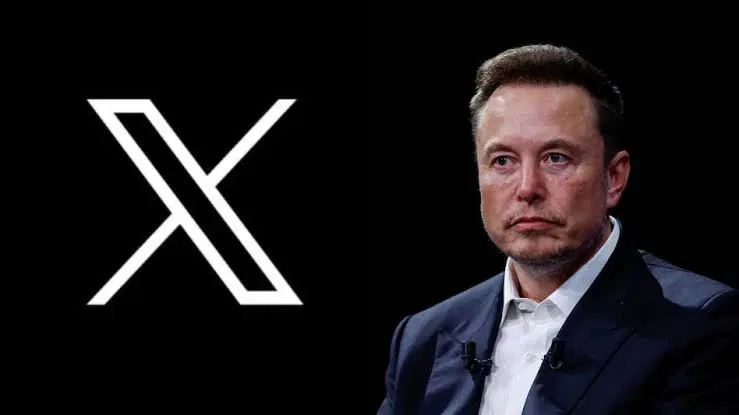
French investigators widen case to include deepfakes and Holocaust denial concerns
Billionaire entrepreneur Elon Musk has been summoned for a voluntary interview in Paris on Monday as part of an ongoing French investigation into his social media platform X, though it remains unclear whether he will attend.
French authorities issued the summons in February in connection with a probe launched in January 2025 into allegations that X’s algorithm was used to interfere in domestic politics. The investigation has since broadened to examine the dissemination of Holocaust denial content and sexually explicit deepfakes generated by the platform’s AI chatbot, Grok.
Prosecutors have already taken steps to advance the case. In February, they conducted searches at X’s Paris offices—an action the company, which denies wrongdoing, described as “politicised” and an “abusive judicial act.”
At the time, authorities also summoned Musk and former X chief executive Linda Yaccarino for questioning in their capacity as the platform’s leadership during the period under review. Musk has dismissed the move as a “political attack.”
Yaccarino stepped down from her role in July last year after two years leading the company.
According to Paris prosecutor Laure Beccuau, several employees of the company have also been called to appear between April 20 and 24 as witnesses. However, officials say any failure to attend voluntary interviews will not hinder the progress of the investigation.
Details of the time and location of Musk’s scheduled interview have not been disclosed.
The inquiry centres on a range of suspected criminal offences, including alleged complicity in the possession of child sexual abuse material and the denial of crimes against humanity. X has maintained that the investigation is politically motivated.
Support for that claim has come from Pavel Durov, co-founder of Telegram, who is himself under investigation in France over alleged illegal activity on his platform. In a post on X, Durov criticised what he described as the use of criminal probes to suppress free speech and privacy.
The French case forms part of a wider international scrutiny of Grok. Concerns intensified after reports that users could generate sexualised images of women and children using simple text prompts. The nonprofit Center for Countering Digital Hate said in January that the tool had produced an estimated three million such images within 11 days, including thousands appearing to depict minors.
Regulators elsewhere have also taken action. In February, the United Kingdom’s data protection authority opened investigations into X and xAI over compliance with personal data laws in relation to Grok, while the European Union launched its own probe into the generation of sexualised deepfake content.
Together, the developments reflect growing international concern over the risks posed by rapidly evolving AI systems and their use on major social media platforms.