
Abrupt reversal highlights fresh turmoil within Israeli prime minister’s inner circle
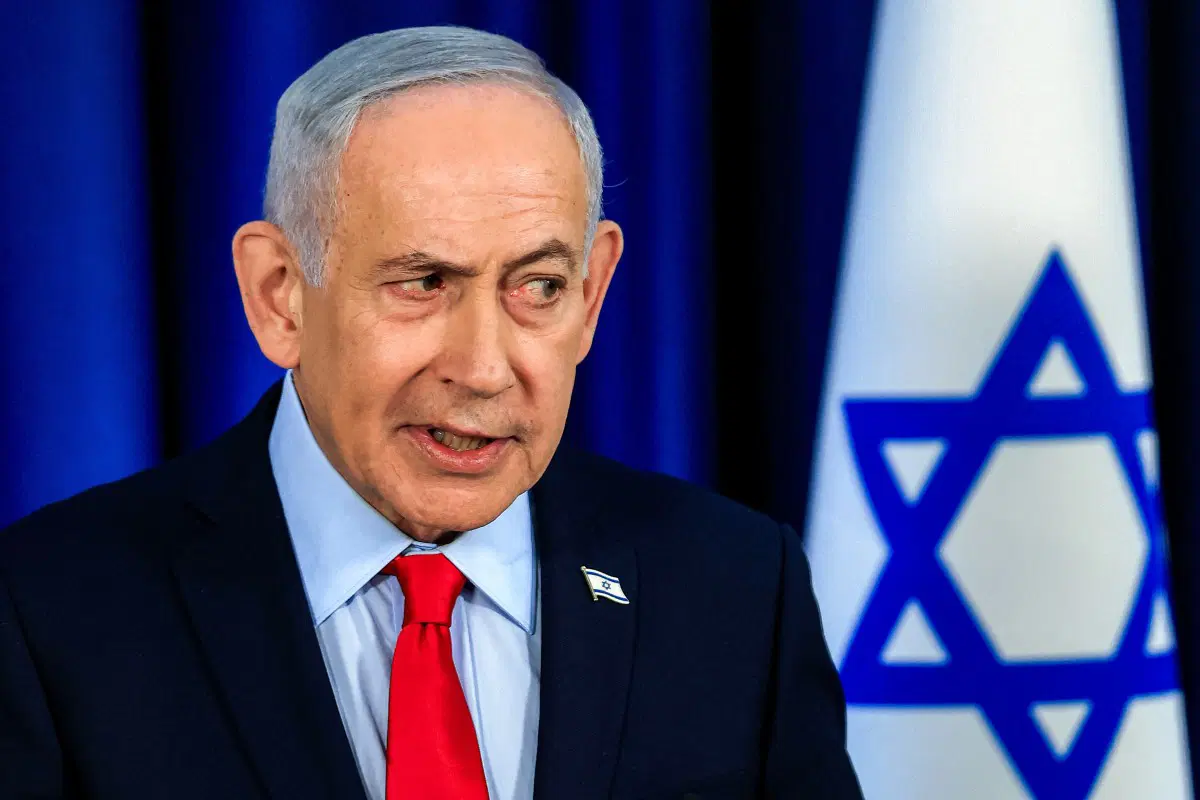
Israeli Prime Minister Benjamin Netanyahu has dismissed his acting chief of staff, Ziv Agmon, following the emergence of leaked comments in which he allegedly made racist remarks.
Announcing the decision late Sunday, Netanyahu said Agmon would leave his post in the coming days, once his successor, Ido Norden, formally assumes office.
Agmon, who had also been serving as the prime minister’s spokesperson, sparked widespread outrage after reportedly referring to Jews of Moroccan descent as “baboons” and making disparaging remarks about members of the ruling Likud party, as well as Netanyahu’s wife and son.
The move marks a sharp turnaround. Less than two hours before confirming Agmon’s departure, the Likud party’s official Telegram channel had quoted Netanyahu expressing a preference for him to remain in the role in the interest of “stability and continuity.”
Attention has now shifted to Norden, whose appointment has already drawn scrutiny. Israeli journalists reported on Monday that he had operated fake accounts on the social media platform X to promote his book on the so-called “deep state.” In the publication, Norden attributes Israel’s failure to prevent the October 7 Hamas attack to what he describes as entrenched institutional forces.
His appointment remains subject to vetting by the Shin Bet, Israel’s domestic security agency.
A lawyer and economist, Norden also chairs the Forum of Senior Officials, a right-leaning think tank that has called for greater ideological diversity in Israel’s public institutions, arguing that they are dominated by a narrow range of views.
The latest reshuffle adds to a series of controversies surrounding Netanyahu’s inner circle. His tenure has been marked by repeated upheavals among senior aides, often against a backdrop of political and security pressures.
In a recent episode, his close ally Tzachi Braverman—named as Israel’s future ambassador to London—was questioned by police over alleged interference in an investigation into leaks related to the Gaza war.
Netanyahu’s office has also faced sustained scrutiny over the so-called “Qatargate” affair, in which former aides are accused of accepting funds from Qatar to bolster the country’s image in Israel during the conflict.
Together, the developments underscore the persistent instability within the prime minister’s inner circle, even as Israel continues to navigate a period of heightened political and security tension.