
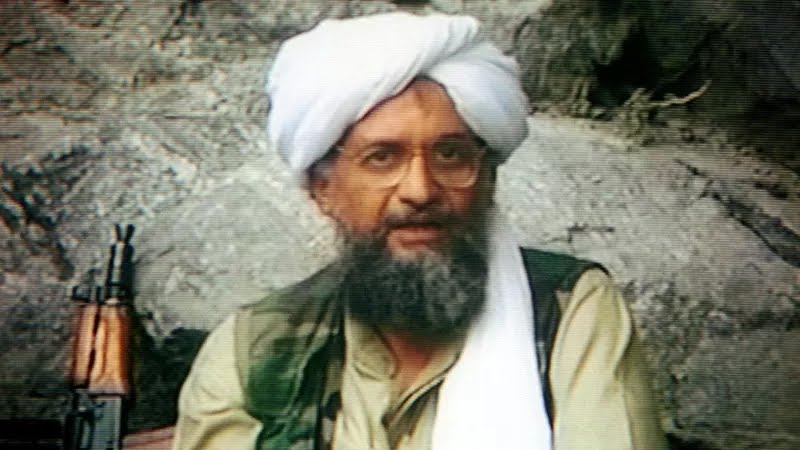
According to sources the first signs of a months-long operation emerged when an attack rocked Kabul’s centre in the early hours of Sunday morning: they heard two thunderous blasts on our street nearby.
Speculation raged about who or what had struck Sherpur’s “empty house.”
It is a neighbourhood that has become notorious over the last two decades for its garish multi-story villas, which Kabul residents have mocked as the stronghold of corrupt warlords and officials, a gaudy symbol of the spoils of an ugly war.
Choorpur, or the town of thieves, was the name given to it by Kabulis. The Taliban took over some of the empty villas near some high-walled Western embassies, which also closed when the Taliban took control.
Every day, new puzzle pieces emerged: a possible strike on an Islamic State target; the use of a US drone, which raised even more questions; and the involvement of US forces on the ground.
The mystery was solved early Tuesday morning.
They attempted to approach the area on a main road leading into the street, past Spinney’s luxury supermarket and the Afghan Ghazanfar bank, as Kabul awoke to the news that the US had killed al-Qaeda leader Ayman al-Zawahiri in a drone strike.
A single Taliban guard crossed his arms angrily to warn them away.
They walked around the back of the villa from a side street.
Guards and workers in neighbouring buildings confirmed which house was hit on Sunday; balconies protruding from the top floor were now covered in green plastic sheeting.
Was there any activity or residents at this location?
“The house was empty,” the refrain went. Was this a rehearsed response, a repeat of the Taliban’s official statement?
Owners of nearby buildings told us that they had been ordered hours before to close their rooftops to everyone, including their own employees.
As word of Zawahiri’s assassination spread like an electric current on social media, the scene of this explosive moment appeared strangely quiet.
Traffic flowed on surrounding tree-lined streets on this warm summer’s day. But as minutes ticked by, more journalists arrived, more passers-by stopped, more Taliban guards showed up.
“If you don’t listen to me, I’ll speak to you through my gun,” one armed Talib warned a colleague as we stood on the main street.
A group of Afghan and foreign journalists approached us, one journalist in tears after an angry altercation on the main road which led to the front of the house.
Her equipment had been forcefully taken away. It was then returned.
Now what had only been whispers grew louder.
There was talk that Arabs had been seen, in recent months, moving through these streets. No one dared speak much about it.
A local journalist living nearby told us: “We’ve seen non-Afghan residents in this neighbourhood in the past couple of months. They don’t speak the local languages. We don’t know who they are.”
Now there are many questions, conspiracies and a range of possible consequences.
The death of Ayman al-Zawahiri, a top target on America’s wanted list, had been reported many times before including last year when he was said to have died of illness.
If he was alive, he was said be a recluse in the rugged terrain along Afghan-Pakistan border.
But now it emerges that he was a guest of the Taliban leadership, living in that villa smack in the centre of Kabul and said to belong to Sirajuddin Haqqani, the acting Taliban interior minister, who is under US terrorism sanctions.
Social media is now ablaze with accusations of yet another US war crime, this time involving an alleged extrajudicial killing.
How do they complete their transition from insurgency to internationally respected government while remaining ultra-conservative?
The high wire is now swaying. The entire world is watching.
SOURCE: BBC