
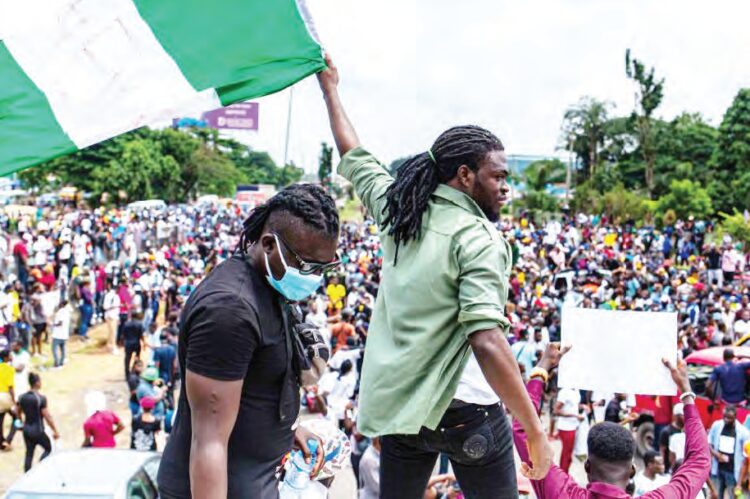
As the world grapples with a global economic downturn, Nigerian youths are planning a 10-day nationwide hunger and hardship protest to draw attention to the worsening plight of citizens. The protest, slated for August 1-10, 2024, has put states on edge, with governors and security agencies calling for dialogue and appealing to the youths to shelve their plans.
The question remains whether the hardship is localized or a global economic phenomenon. Nigeria’s economic challenges seem to be part of a larger global economic downturn, with many countries facing similar challenges like inflation, unemployment, and economic instability. However, Nigeria’s situation is exacerbated by internal factors such as corruption, mismanagement, and insecurity.
While many countries face economic challenges, the severity and nature of the challenges vary. Some countries are experiencing recession, others are grappling with inflation, and a few are dealing with political instability. Nigeria’s unique blend of corruption, mismanagement, and insecurity has contributed to its economic woes.
Africa is also facing a mix of economic challenges, including debt crises, inflation, and unemployment. Many African countries are still struggling to recover from the COVID-19 pandemic and face new challenges like climate change and insecurity. However, some African countries like Rwanda and Ghana are making progress in economic development and governance.
Governments across Africa are implementing measures to address economic challenges, including fiscal discipline, economic diversification, and investment in human capital. In Nigeria, the government has acknowledged the economic hardship and is appealing to the youths to shelve their protest plans.
State governments have reacted to the planned protest, with some governors urging youths not to join the protest, citing potential violence and instability. Others have advised against nationwide protests, saying they would be dangerous and counterproductive.
The 3 Quick Steps Government Can Take to Address These Issues:
- Declare a State of Economic Emergency: Recognize the severity of the economic crisis and take immediate action to address it.
- Increase Funding for Social Programs: Allocate more resources to support vulnerable citizens, such as cash transfers, food assistance, and job creation initiatives.
- Engage in Dialogue: Meet with youths, CSOs, and other stakeholders to listen to their concerns and work together to find solutions.