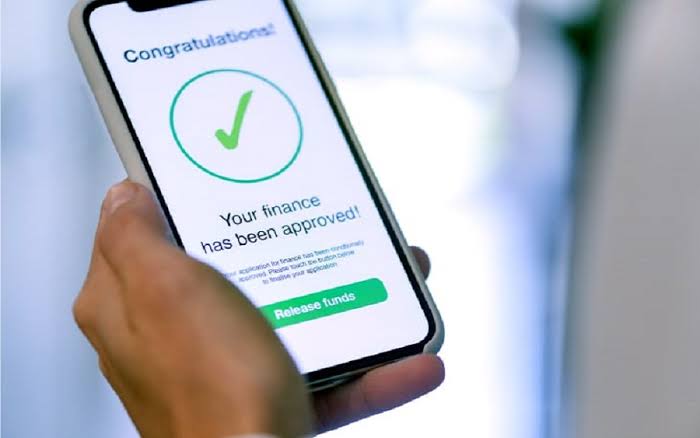
The number of approved digital lenders in Nigeria has skyrocketed to 320 this September, up from 284 in May, driven by the increasing demand for quick loans, which has quadrupled this year, according to lenders. This surge is attributed to the relatively low regulatory barriers compared to traditional microfinance institutions, making it an attractive business opportunity.
Nigeria’s unique regulatory framework raises questions. Two government bodies, the Federal Competition and Consumer Protection Commission and the Central Bank of Nigeria, are separately giving approval for loan apps. This dual approval system deviates from global best practices. Countries like the USA and UK have a single regulatory body overseeing financial services, including loan apps.
A unified regulatory framework offers numerous benefits, including improved efficiency, enhanced consumer protection, and increased transparency. However, Nigeria’s dual approval system can lead to overlapping regulations, increased costs, and regulatory gaps, compromising consumer protection.
Many loan applicants lack a good credit history, with 90% being rejected due to outstanding loans or poor credit records. Some lenders lower their risk analysis, offering nano loans with high interest rates.
Approved digital lenders in Nigeria include Sycamore Integrated Solutions Limited, Trade Depot, Tajow Investment, Blue Ridge Microfinance Bank Limited, Grolatech Credit Limited, Branch International Financial Services Limited, P2vest Technology Limited, Creditwave Finance Limited, Fairmoney, Carbon, Migo, and PalmCredit.
These apps offer competitive interest rates and flexible loan terms,making them popular among Nigerians. However, it’s essential to note that loan apps can pose risks, such as predatory lending practices and debt accumulation.
As Nigeria’s loan app market grows, regulatory reforms should prioritize consumer protection, efficiency, and transparency. Nigerians must prioritize financial literacy and responsible borrowing habits. The Central Bank of Nigeria and regulatory agencies face the challenge of balancing access to credit with consumer protection.
The Chairman of the Money Lenders Association attributes the growth to the relatively low regulatory barriers compared to traditional microfinance institutions. “The entry barrier is not as high as CBN-regulated financial institutions,” he noted.
While loan apps offer convenient access to credit, it’s essential to borrow responsibly and check your credit history before applying. Nigeria’s economic hardship has led to increased reliance on credit, but borrowers must be cautious of high-interest rates and predatory lending practices.