
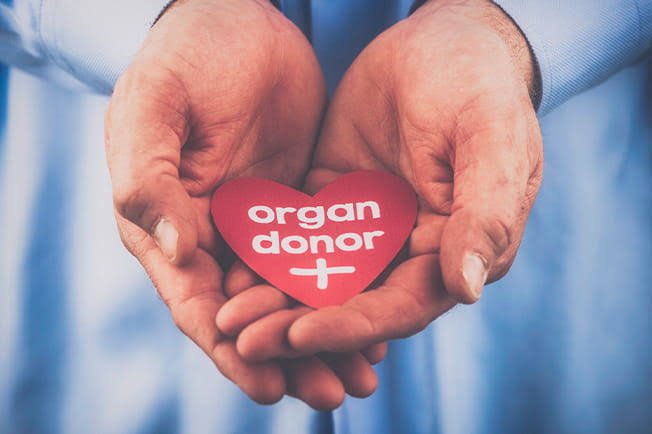
Organ donation is a selfless act transcending religious differences, saving countless lives. But beneath the surface lies a sinister truth: exploitation, inequality, and a lucrative black market.
WHAT IS ORGAN DONATION?
Organ donation involves surgically removing an organ or tissue from a donor and transplanting it into a recipient. Donors can be living or deceased. There are two main types: living donation and deceased donation.
RELIGIOUS PERSPECTIVES
Most religions support organ donation:
– Christianity: Act of love and charity (Bible, John 15:13).
– Islam: Permitted with consent, benefit, and no commercial gain (Quran 5:32).
– Judaism: Saving a life is mandatory (Talmud, Yoma 85a).
– Hinduism: Encourages selfless acts (Bhagavad Gita, 2:22).
– Buddhism: Act of compassion (Dhammapada, 1:1).
– Sikhism: Noble deed (Guru Granth Sahib, Page 830).
– Jehovah’s Witnesses: Permit organ transplants with caution, prohibiting blood transfusions.
DISPARITIES IN ORGAN DONATION
The wealthy often have better access to healthcare, including organ transplantation, due to financial resources, social connections, and priority scheduling.
STATISTICS AND WAITING LISTS
– Over 120,000 people await organ transplants in the US.
– 18 people die daily waiting for transplants.
– 1 donor can save up to 8 lives.
BREAKDOWN OF WAITING LIST
– Kidney transplant: 100,000+ patients waiting.
– Liver transplant: 15,000+ patients waiting.
– Heart transplant: 3,500+ patients waiting.
DAILY DEATHS
– 8 people die daily waiting for organ transplants.
– 22 people die daily waiting for kidney transplants alone.
ILLEGAL GLOBAL ORGAN TRADE
The illegal global organ trade generates $840 million to $1.7 billion annually, preying on vulnerable individuals.
– Illegal kidney transplants account for 5-10% of 60,000 kidney transplants performed annually.
– Nigeria is a significant source country.
NOTABLE CASE: IKE EKWEREMADU
Ike Ekweremadu, a Nigerian senator, and his wife were imprisoned for conspiring to traffic a young man from Nigeria to the UK for illegal organ harvesting.
REFORM EFFORTS
– Standardize transplantation criteria.
– Increase transparency in organ allocation.
– Expand organ donation registries.
– Enhance education and awareness.
CONCLUSION
Organ donation’s noble purpose is tainted by exploitation and inequality. Addressing these issues requires systemic reform, increased transparency, and education. Let’s prioritize medical need over wealth.