
Oil chief frames withdrawal as part of broader push to diversify and expand capacity
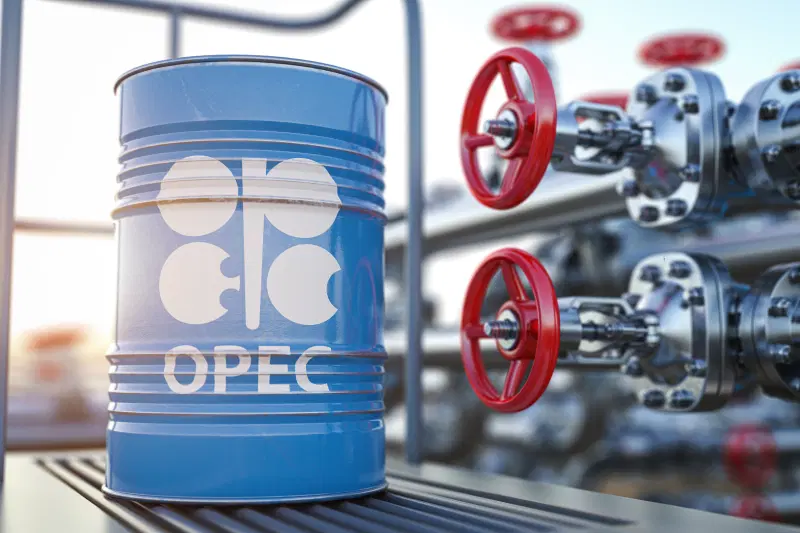
The United Arab Emirates has said its decision to leave OPEC was motivated by long-term economic planning rather than tensions with regional heavyweight Saudi Arabia.
Speaking on Monday, Sultan Al Jaber, chief executive of state energy giant ADNOC and the country’s minister of industry and advanced technology, described the move as a sovereign decision aimed at repositioning the UAE within the evolving global energy landscape.
“The decision to exit OPEC and OPEC+ is not directed against anyone,” he said at a conference in Abu Dhabi, emphasising that it aligns with national priorities to diversify the economy beyond fossil fuels.
The withdrawal, which took effect on Friday, follows months of strained relations between Abu Dhabi and Riyadh over issues ranging from oil production policy to regional geopolitics, including the ongoing Middle East conflict. Once close allies, the two Gulf states have seen ties cool in recent months, particularly after a public disagreement in December over the war in Yemen.
Despite the backdrop, Al Jaber insisted the move reflects domestic considerations, including the UAE’s ambition to expand its production capacity and accelerate investment across sectors.
Leaving OPEC, he said, “serves our national interests and long-term strategic objectives” and provides greater flexibility to scale output and create economic value.
The UAE, previously the fourth-largest producer in OPEC, had long expressed frustration with production quotas championed by Saudi Arabia, which capped its output at around 3.4 million barrels per day. Abu Dhabi is seeking to increase capacity to five million barrels per day by 2027.
Analysts say the strategy is designed to generate additional revenue to fund investment in non-oil industries, including artificial intelligence and advanced manufacturing.
The shift comes alongside a significant spending push by ADNOC, which has pledged $55 billion for new projects over the next two years.
Separately, Suhail Al Mazrouei said the UAE’s exit from OPEC was conducted “on good terms,” signalling an effort to contain any diplomatic fallout.
Officials also pointed to broader industrial ambitions. Faisal Al Bannai, an adviser to the UAE president and chairman of EDGE Group, said the country is increasingly focused on domestic production of defence systems, including drones, missile technology and air defence capabilities.
He noted that a significant proportion of drone threats are already being countered using locally developed jamming systems, with plans to achieve full domestic capability in air defence in the coming years.
Taken together, the developments reflect a wider effort by the UAE to reshape its economic and industrial base, even as its departure from OPEC raises questions about the future cohesion of the oil-producing bloc.