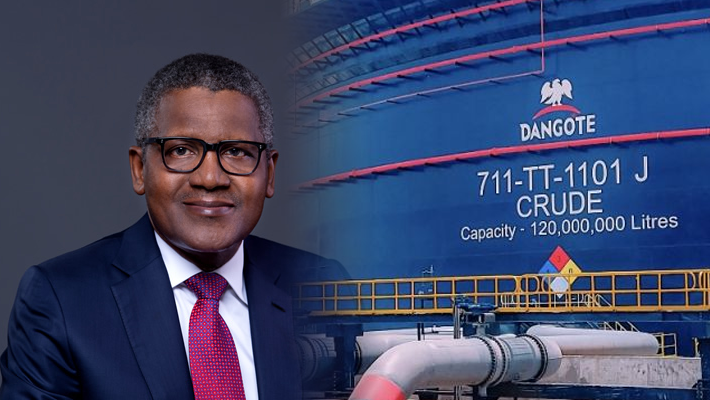
The Dangote Refinery’s decision to cut the ex-depot price of petrol from ₦828 to ₦699 per litre is more than a commercial adjustment. It is a stress test of Nigeria’s downstream regulatory framework—and one that strengthens the case for a formal investigation into the Nigerian Midstream and Downstream Petroleum Regulatory Authority (NMDPRA).
For years, Nigerians were told that high fuel prices were inevitable, driven by import parity pricing, logistics costs, exchange-rate pressures, and global volatility. Yet a single domestic refinery, by scaling production and pricing competitively, has forced an immediate market correction. Private depots adjusted prices within days—without regulatory compulsion.
That reality raises a fundamental question: what exactly was the regulator regulating?
If price moderation was always possible under existing conditions, then the prolonged burden on consumers points less to market impossibility and more to regulatory failure—whether through inertia, weak enforcement, or structural blind spots.
This is why calls for an investigation into the NMDPRA are neither political nor punitive. They are necessary. Pricing templates, licensing decisions, market-conduct oversight, and transparency mechanisms all deserve scrutiny. Regulation exists to protect the public interest, not to trail market outcomes after the fact.
Competition, while welcome, is not a substitute for effective regulation. Left unchecked, it can entrench dominance rather than fairness. The regulator’s role is to design a system where price relief is predictable and systemic—not dependent on the goodwill or scale of a single operator.
The timing for inquiry could not be better. Prices are falling, evidence is live, and market behaviour is observable. An investigation now would be seen not as sabotage, but as institutional course-correction.
Dangote’s price cut has done Nigeria an unintended service: it has made regulatory gaps visible. The country should not look away.
— From the Desk of NNH News Corp