
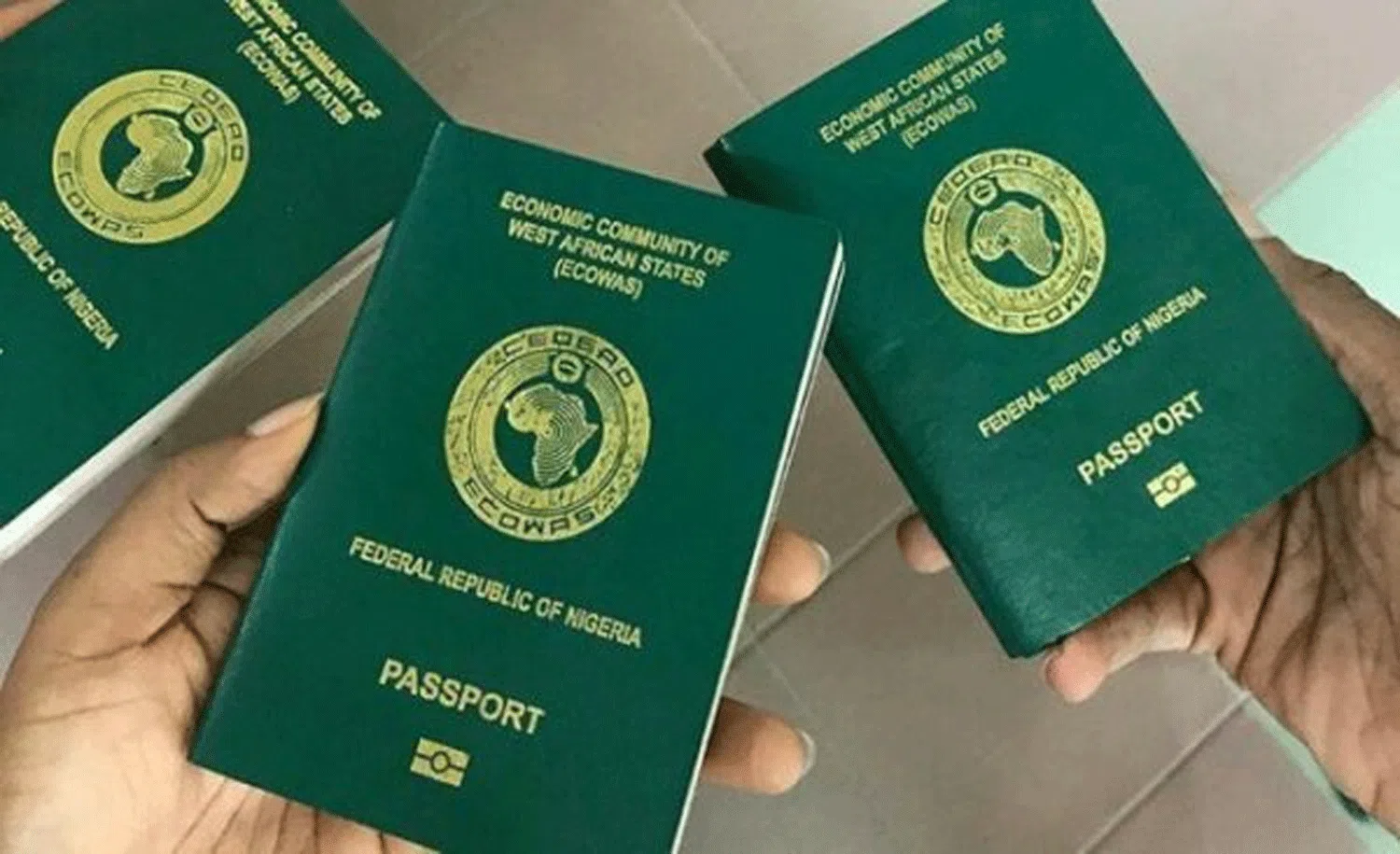
The Federal Government has announced plans to introduce a Single Travel Emergency Passport (STEP) to replace the existing Emergency Travel Certificate (ETC) for Nigerians abroad.
Comptroller General of the Nigeria Immigration Service (NIS), Kemi Nanna Nandap, disclosed this at the Joint Thematic Meeting of the Khartoum, Rabat, and Niamey Processes, co-hosted by Nigeria and the Government of France.
In a statement issued Wednesday by NIS spokesperson, ACI Akinsola Akinlabi, Nandap said the new STEP would serve as a temporary travel document for Nigerians abroad whose passports are expired, lost, or stolen, allowing them to return home safely and securely.
According to her, the document — to be issued at designated Nigerian embassies and consulates — will be valid for a single entry only, reflecting the Service’s drive for efficiency and strengthened identity protection.
She explained that the initiative is part of ongoing reforms aimed at enhancing identity management and border governance in line with international best practices.
The high-level meeting brought together key migration stakeholders, including the National Commission for Refugees, Migrants and Internally Displaced Persons (NCFRMI), the National Agency for the Prohibition of Trafficking in Persons (NAPTIP), ECOWAS, African Union (AU), European Union (EU), and representatives from several African and European countries.
The discussions focused on improving coordination in the prevention, protection, and prosecution of migrant smuggling and human trafficking along African and European routes.
“The forum provided a platform for sharing best practices, aligning legal frameworks, and strengthening inter-agency cooperation to address the root causes of irregular migration,” the statement said.
Delivering her keynote address titled “Insights on Prevention and Protection as Strategic Pillars to Effective Law Enforcement and Prosecution Responses: The NIS Perspective,” Nandap outlined aspects of the Service’s reform agenda, including enhanced border security, improved migration management systems, and international collaboration.
She reaffirmed Nigeria’s commitment to regional and global migration dialogues, stressing that the NIS will continue aligning its operations with international standards to promote safe, orderly, and regular migration.