
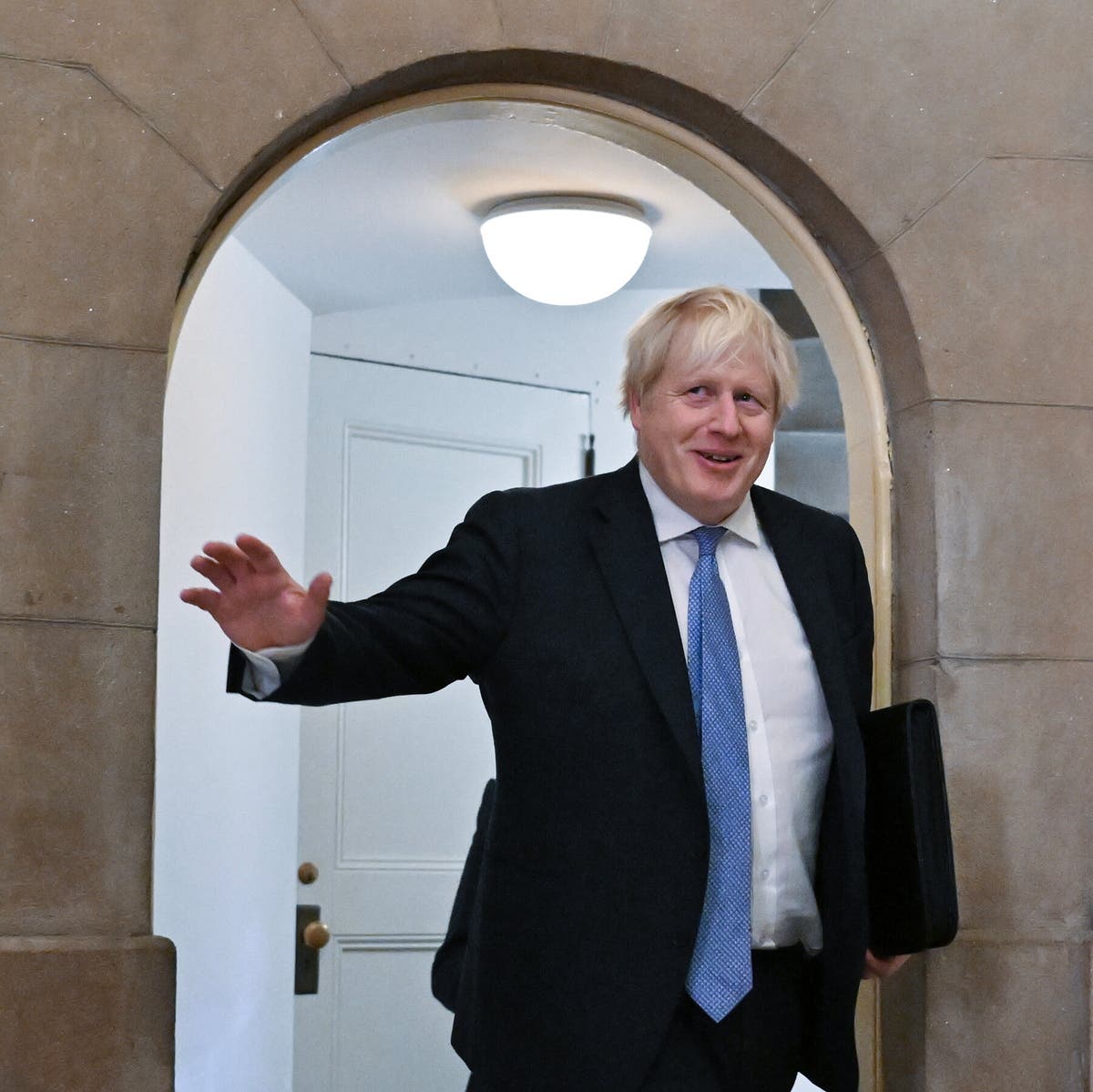
Boris Johnson, the flamboyant and divisive former prime minister of Britain, has unexpectedly resigned from his parliamentary seat, adding another twist to his tumultuous political career.
Johnson’s resignation comes as he faced an investigation by a House of Commons committee over allegations that he lied to Parliament about lockdown-breaking parties held in Downing Street during the Covid-19 pandemic.
After receiving a confidential copy of the committee’s findings, Johnson accused the committee of attempting to force him out, stating that no evidence had been presented to prove that he knowingly misled the Commons.
The committee had the authority to recommend a sanction that could have resulted in Johnson being compelled to face an election to retain his constituency, which he may have lost.
Instead of facing that prospect, Johnson preemptively resigned, triggering a by-election in his constituency.
However, he stated that he would not contest in the by-election, leaving his political future uncertain.
It is worth noting that Johnson had previously resigned a seat to become London mayor before returning to represent a different constituency.
Since being ousted as prime minister last July, Johnson has remained a prominent figure in British politics, often at the center of controversies regarding his handling of the pandemic and his statements to Parliament regarding the Downing Street parties during the lockdown.
While the contents of the committee’s report remain undisclosed, Johnson’s resignation suggests that the recommended sanction could have been more severe than a 10-day suspension, potentially leading to an election for his seat.
In March, when appearing before the parliamentary committee, he acknowledged making misleading statements in Parliament and took responsibility for the gatherings at Downing Street during the lockdown.
In a statement, Johnson fiercely criticized the ongoing investigation, claiming that it was part of a wider effort to seek revenge for Brexit and reverse the 2016 referendum result.
He stated that his removal was the first step in a concerted attempt to achieve those goals.
Political analysts speculate that Johnson may be quitting his current constituency to run for a safer Conservative seat, possibly one vacated by loyalist Nadine Dorries or in the more favorable Henley constituency, which he represented before.
Despite leaving Parliament, Johnson has been earning significant sums as a speaker at global events.
His resignation may be a strategic move to protect his reputation and avoid the risk of losing his constituency in a public vote.
The resignation comes as a potential blow to Prime Minister Rishi Sunak and the Conservative Party, as a by-election in Johnson’s seat of Uxbridge and South Ruislip could pose challenges, especially with the Labour Party currently leading in opinion polls.
The Conservative Party is preparing for a general election expected in the second half of next year.
Boris Johnson’s resignation is likely to revive memories of the political turmoil that plagued the government last year when two prime ministers were swiftly ousted from office.
Opposition politicians, including Angela Rayner, the deputy leader of the Labour Party, criticized Johnson’s departure, describing it as a disgraceful episode that has exhausted the British public.
While Johnson was known for his ability to capture headlines, his popularity has declined since leaving Downing Street.
Rishi Sunak, who succeeded him as prime minister, has gained recognition for stabilizing the Conservative-led government.
Johnson’s political future may face challenges in the near term, as his situation parallels that of former US President Donald J. Trump, who is currently facing legal troubles and a healthy lead in Republican primary polls.