
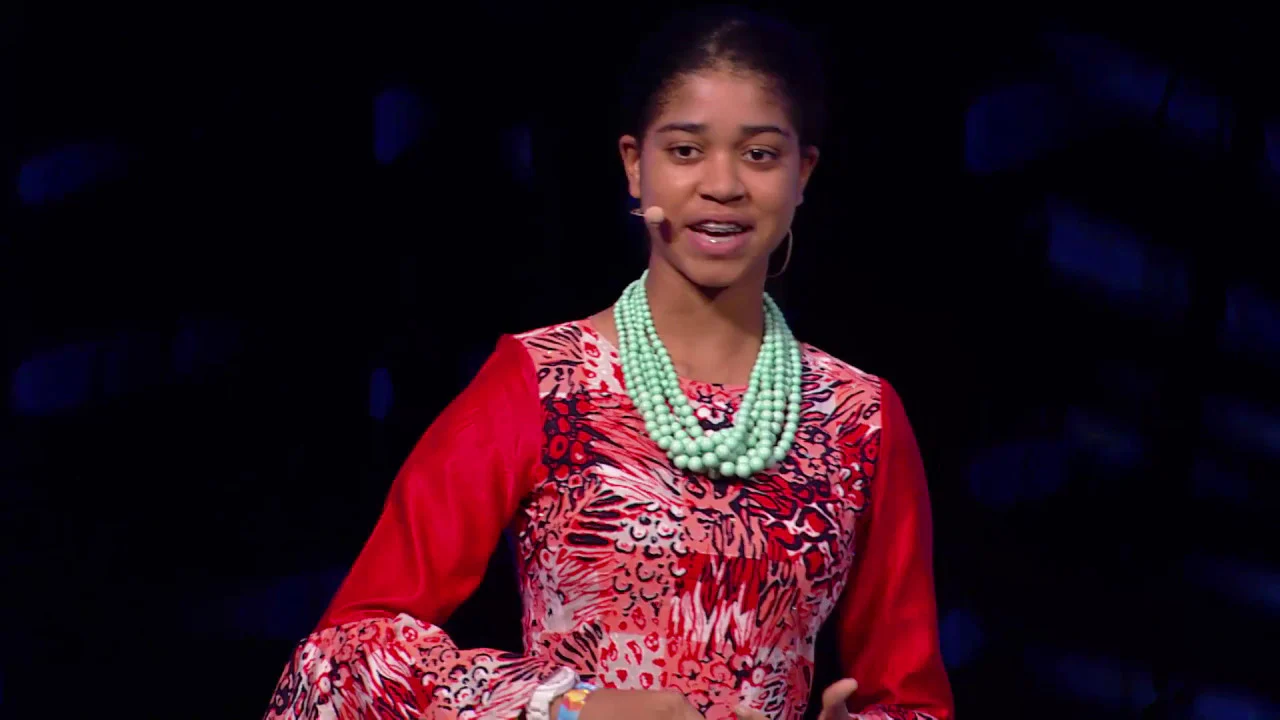
At just 22 years old, Zuriel Oduwole’s nomination for the 2025 Nobel Peace Prize is a big moment for Nigeria. The country, known for past greats like Wole Soyinka—who won the Nobel Prize in Literature—now celebrates a new kind of leader. While Soyinka showcased Nigeria’s culture and talent, Oduwole is being recognized for her work in peace, education, and gender equality.
A Fresh Take on Inclusion
Oduwole is all about promoting Diversity, Equity, and Inclusion (DEI). Her efforts stand out, especially now when many countries are becoming more conservative. With a strong Nigerian background and a global voice, she’s spoken to over 35 world leaders. Whether mediating conflicts at the United Nations or advising on fair policies, she focuses on helping marginalized communities. Her push for inclusive education and equal rights for women aligns well with Nigeria’s long-standing values of fairness and progress.
“If I win, it won’t just be for me—it’ll be a win for a more inclusive Nigeria,” Oduwole said. “Our work in education, peace, and equality is deeply connected to our national laws and what Nigerians truly value.”
Merging Modern Ideas with Nigerian Culture
Nigeria has worked hard over the years to build a fair and democratic society. Oduwole’s plans aim to create real change, especially for disadvantaged groups. Her “Dream Up, Speak Up, Stand Up” campaign encourages young girls to become leaders. This grassroots effort blends well with national policies, showing how local actions can support larger goals for growth and development.
Her Nobel nomination highlights the need for fair representation and inclusive policies—values that have helped shape Nigeria since Soyinka’s time. Oduwole is proof that DEI can move beyond being just a concept to becoming a real part of governance and community development.
A Positive Message in Challenging Times
As many countries shift toward conservative policies, Oduwole’s nomination brings hope. While some governments limit diversity and exclude certain groups, she champions inclusion, honest governance, and peacebuilding. Her journey shows how young, forward-thinking leaders can change both national and global conversations.
From Soyinka’s literary achievements to Oduwole’s global advocacy, Nigeria continues to push for innovation and social justice. If Oduwole wins the Nobel Peace Prize, it will highlight Nigeria’s role in promoting DEI and inspire young people in Africa and beyond to strive for positive change.
As the world awaits the Nobel decision, Oduwole’s story offers hope—not just for her own legacy but for a fresh vision of Nigerian leadership that blends tradition with the needs of today’s fast-changing world.