
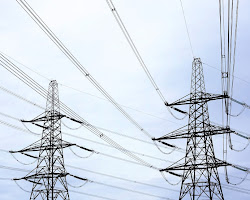
The Lagos State chapter of the Labour Party has called on President Bola Tinubu to urgently address the pressing issues affecting Nigeria’s electricity supply.
In a statement released on Saturday, the party’s Chairman, Mr Olumide Adesoyin, emphasized that improving electricity supply in both urban and rural areas would alleviate the hardships resulting from the removal of fuel subsidies in the country.
President Tinubu had pledged on Friday to tackle all challenges within the power value chain to meet the demands of the people. He also promised to enhance electricity generation, aiming to surpass the current meager and unsatisfactory 5,300MW capacity for over 200 million Nigerians.
Adesoyin stressed that stable electricity supply would significantly reduce the reliance on generators, which has been detrimental to businesses and the overall well-being of Nigerians. One of the key solutions to address power sector challenges, according to the party chairman, is to bridge the metering gap across the country.
He emphasized the critical role of Nigeria’s power sector in elevating the nation to become one of the world’s leading economies, considering its impressive Gross Domestic Product (GDP) of about US$500 billion.
The Labour Party suggested that the government should create a conducive policy environment to attract private investments in power generation, leading to the modernization of transmission infrastructure. Adesoyin also advocated for greater diversification of energy sources, focusing on renewable and clean energy, and even exploring nuclear energy, as seen in countries like South Africa, Iran, and Turkey.
In addition, Adesoyin urged the Lagos State government to prioritize the improvement of inner streets across the state, making them more motorable and accessible. Such actions would reduce vehicle wear and tear and save valuable time spent on the roads.
Furthermore, the party appealed to both the federal and state governments to consider subsidizing the cost of food items in the market. This move, according to Adesoyin, would alleviate hunger, freeing up citizens’ energies for more productive activities in the country’s political landscape.