
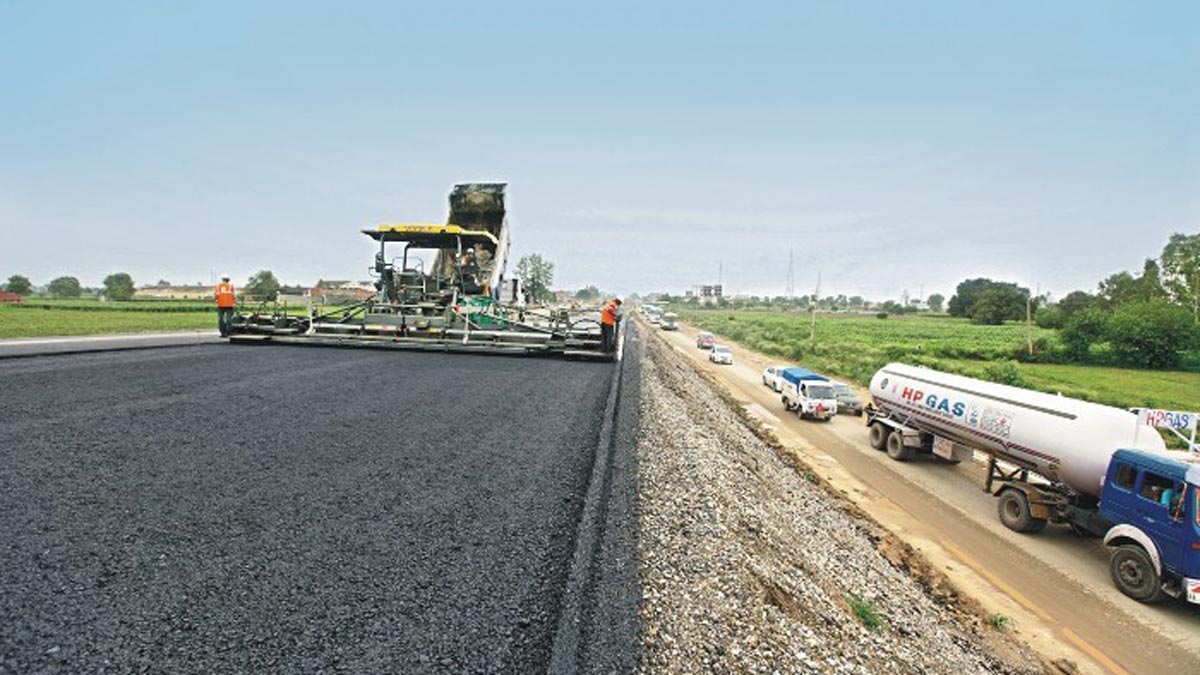
Nigeria’s plan to expand its road network using concrete technology is facing serious challenges due to a sharp rise in construction costs. The government had hoped that concrete roads would be more durable and reduce long-term maintenance expenses, but a 73% increase in material prices is forcing a rethink.
The cost of constructing one kilometre of concrete road was initially estimated at ₦59.18 million, compared to ₦49.76 million for asphalt. However, recent price hikes have made concrete significantly more expensive. Cement prices have risen from ₦5,000 per bag to between ₦8,000 and ₦9,500, while iron rods have jumped from ₦500,000 per tonne to over ₦1.05 million. The price of sand per 30 tonnes has surged from ₦60,000 to about ₦160,000.
With costs spiralling, questions are being raised about whether the plan to prioritise concrete roads is still viable. Many contractors believe Nigeria needs more roads to improve national connectivity rather than focusing on fewer, high-cost roads in limited areas. While concrete roads last longer, financial constraints could mean fewer roads being built overall.
Despite the concerns, Works Minister Dave Umahi remains committed to the policy. Contractors handling federal highways have been given the choice between asphalt and concrete paving, but cost implications are making many reluctant. One major project affected is the Lagos-Calabar Coastal Road, which was initially planned as a 10-lane highway but has now been reduced to six lanes to save costs. However, despite the downward re-scoping of the project, the contract value remains at ₦15 trillion, making it one of the country’s most ambitious infrastructure investments.
Beyond financial constraints, legal issues have emerged. The government’s decision to scale down or modify existing contracts could lead to disputes with contractors whose agreements were altered. Some previously cancelled contracts have been reinstated, raising questions about the legal implications of reversing earlier decisions. The government currently owes ₦14 trillion for 2,604 road projects spanning 18,000 kilometres, and any further modifications could lead to litigation from contractors.
Over the past 25 years, Nigeria has spent ₦3.4 trillion on road projects, yet road infrastructure remains inadequate, and debts continue to rise. In 2025, the government allocated ₦1.06 trillion for capital projects, but with rising costs, the actual amount needed to meet infrastructure goals could be twice as high.
While concrete roads offer durability, there are growing concerns about whether Nigeria can afford to prioritise them over traditional asphalt roads. Experts argue that rather than focusing on fewer but longer-lasting roads, the country should invest in expanding its road network to enhance connectivity nationwide. With rising costs and legal complications over contract changes, Nigeria’s road infrastructure strategy may need a serious reassessment.