OPINION | NNH Business Desk |
ABUJA — The Federal Government’s announcement of a new N300 billion Sukuk bond for infrastructure—specifically road development—is a familiar move wrapped in optimistic language and fiscal innovation. But beneath the surface of this asset-backed, non-interest instrument lies a complex legacy of mixed results, lingering transparency questions, and now, a full-blown investigation by the House of Representatives into the handling of previous Sukuk-financed projects.
Launched under the Debt Management Office (DMO), this seventh sovereign Sukuk aims to capitalize on growing demand for Sharia-compliant investment tools, offering a 19.75% annual rental income over a seven-year tenure. The bond is classified as a liquid asset, tax-exempt, and backed by the full faith of the Nigerian government.
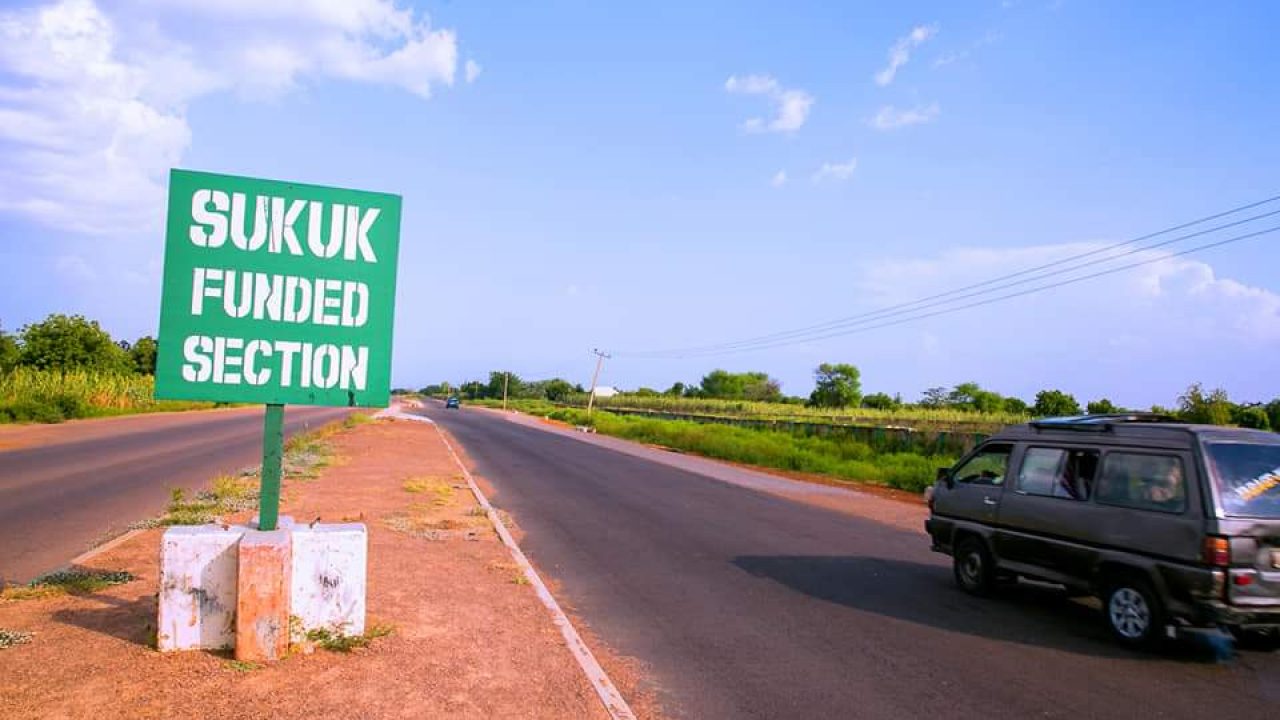
The strategy is not without merit. Past Sukuk issuances have generated significant investor interest. For example, the 2017 debut N100 billion Sukuk was oversubscribed. Subsequent issues—including the N150 billion Sukuk in 2020—followed suit, supporting over 44 major road projects across the six geopolitical zones. At first glance, this looks like a win.
But while oversubscription is often cited as a metric of success, completion, durability, and accountability have trailed far behind. Today, roads allegedly funded under previous Sukuk programmes remain either partially delivered or deteriorated beyond use, casting doubt on the actual impact of these investments.
This has triggered an active probe by the House of Representatives, examining the implementation, oversight, and disbursement irregularities surrounding prior Sukuk-funded projects. Lawmakers have raised concerns about project duplication, inflated valuations, and the possible misuse of Islamic bonds under the guise of infrastructure expansion. One committee source described it as “a growing shadow over a once-promising financial tool.”
Experts like Arthur Steven Asset Management’s Olatunde Amolegbe still defend the structure, noting that Sukuk offers “predictable cashflows” and suits ethical investors wary of interest-based models. But the problem isn’t with the instrument itself—it is with Nigeria’s institutional capacity to manage, monitor, and deliver results transparently.
The DMO’s Director-General, Ms Patience Oniha, has acknowledged this shortfall, promising a shift toward project-based Sukuk that target revenue-generating assets. That is a welcome evolution. But in the absence of real-time, publicly verifiable project tracking and independent audits, the promise may once again get lost in procurement fog.
As Nigeria grapples with ballooning debt and a credibility deficit in public finance, the National Assembly must not merely observe—it must embed robust legislative oversight into the Sukuk rollout. This includes mandatory public project dashboards, compliance timelines, and enforceable penalties for contract breaches.
The House probe offers a critical opportunity not just to review the past, but to correct the trajectory of Sukuk financing going forward. Otherwise, this new N300 billion issue risks becoming another chapter in the country’s ever-growing archive of “announced but abandoned” infrastructure stories.
In the end, the real test of this Sukuk is not how much it raises—but what tangible progress it leaves behind.