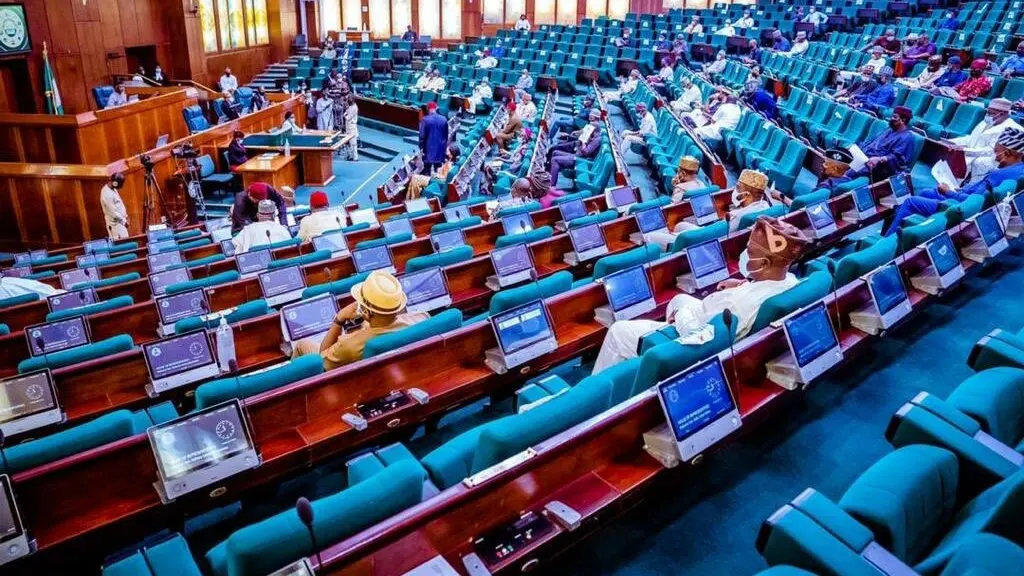
In a landmark move aimed at bridging Nigeria’s representation gaps, the House of Representatives has proposed a constitutional amendment to reserve 10 per cent of National Assembly seats for women and five per cent for persons with disabilities (PWDs).
Speaker of the House, Tajudeen Abbas, unveiled the proposal on Tuesday during the opening of the 2025 National Assembly Open Week and the launch of the 10th House Midterm Legislative Scorecard in Abuja.
The proposed amendment would add 83 exclusive seats for women—55 in the House of Representatives and 28 in the Senate—raising the total number of federal lawmakers from 469 to 552. The five per cent PWD quota would be drawn from existing seats and filled via nominations from accredited disability advocacy groups.
“These seats would be filled through direct elections on separate ballots, staggered to promote continuity and mentorship,” Abbas said, adding that elected representatives would hold equal rights and privileges as their peers.
The Speaker noted that female representation in Nigeria has remained at less than five per cent since independence, despite women comprising half of the population. He cited countries like Rwanda and Senegal, where similar reforms elevated female representation to over 30 per cent in a single election cycle.
“We must remove systemic barriers that have kept millions of Nigerians outside the corridors of power. This is more than legislation—it is a national imperative,” he declared.
Abbas also presented the 10th House’s midterm performance, highlighting the introduction of 2,263 bills, with 1,478 passing second reading and 237 transmitted for presidential assent. Fifty-five of these have been signed into law, including reforms on taxation, electricity, arms control, and student loans.
The House received 621 public petitions, of which 24 were resolved, and carried out over 1,000 oversight activities targeting more than 200 MDAs.
Looking ahead, Abbas reaffirmed the House’s focus on constitutional reforms, including state policing, resource control, fiscal responsibility, and human rights. He pledged to work with state assemblies and civil society to ensure passage of the gender and disability quotas.