
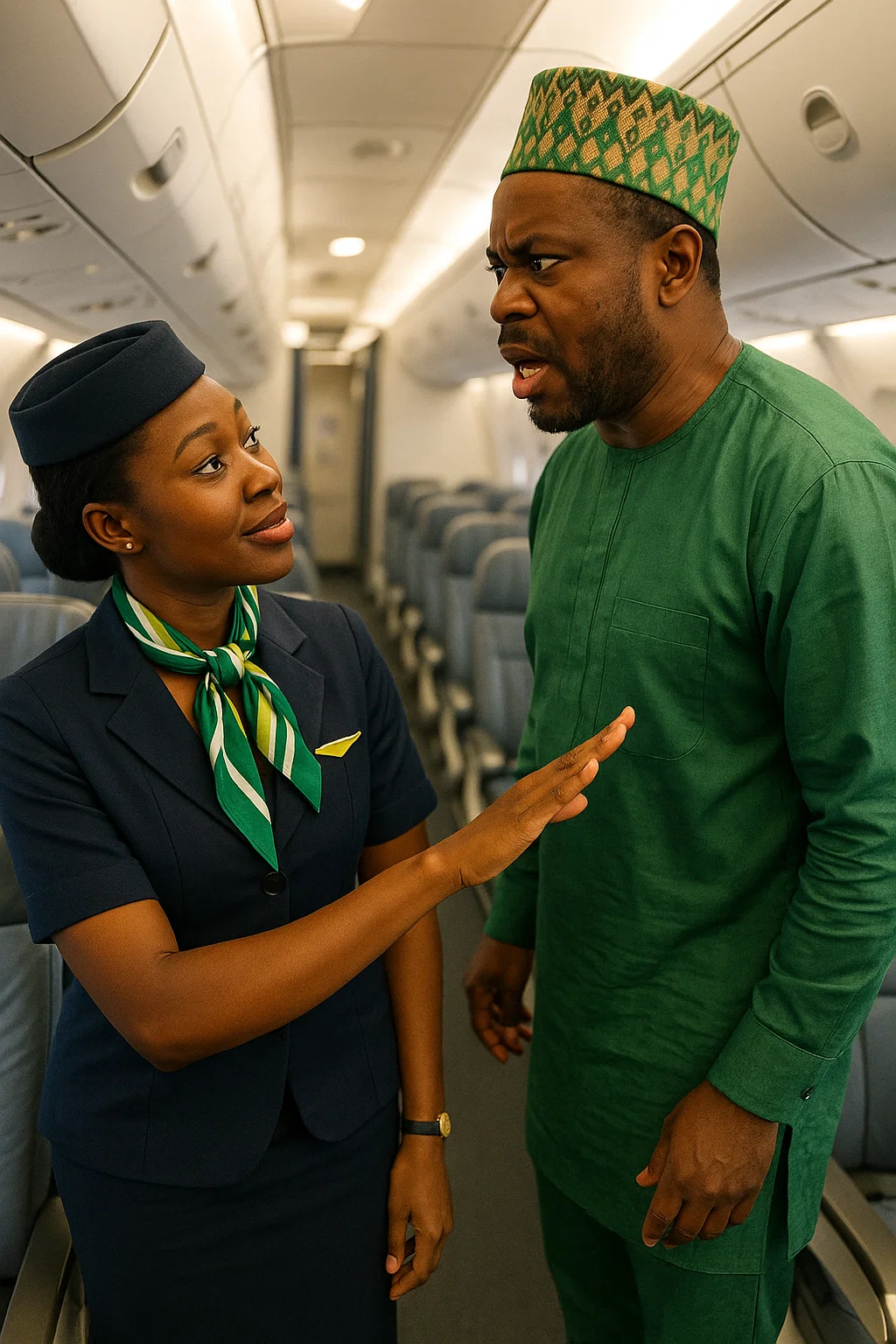
Turkey’s recent move to impose a £52 ($70) fine on passengers who stand prematurely on flights has prompted debate about whether Nigeria should consider a similar rule to enhance aviation safety and streamline disembarkation. The Turkish regulation, enforced by its civil aviation authority, penalises passengers who unbuckle seatbelts, stand, or access overhead compartments before the plane is fully stationary, aiming to reduce aisle congestion and prevent accidents. Could such a measure work in Nigeria, and how would it be received?
Desirability in Nigeria
Nigeria’s busy airports, such as Murtala Muhammed International Airport in Lagos and Nnamdi Azikiwe International Airport in Abuja, often see crowded cabins and impatient passengers, much like Turkey’s holiday hotspots. The Nigerian Civil Aviation Authority (NCAA) has a track record of prioritising passenger safety, recently sanctioning airlines for consumer rights violations. A fine for premature standing could align with these efforts, promoting order and reducing risks like injuries from sudden stops during taxiing or falls in cramped aisles.
Such a policy could appeal to frequent flyers frustrated by chaotic deplaning, potentially improving efficiency during peak travel periods. With millions of passengers passing through Nigerian airports annually, a structured disembarkation process could ease congestion. However, cultural attitudes towards rule enforcement and a history of inconsistent compliance might complicate adoption. Many passengers, particularly those less familiar with aviation protocols, would require clear education to ensure the measure’s desirability.
Enforcement Mechanisms
In Turkey, cabin crew report violations to the Directorate General of Civil Aviation via a “Disruptive Passenger Report,” triggering an administrative fine of up to 2,603 Turkish lira ($70). Nigeria could adopt a similar system under the NCAA, which already enforces aviation regulations. Flight attendants would need training to document violations consistently, with fines issued on the spot or processed post-flight via airline billing or immigration checks for international travellers.
Enforcement could face challenges, including resistance from passengers unaccustomed to such penalties and logistical difficulties in tracking offenders, especially on domestic flights with less stringent identification. Clear guidelines—defining violations like standing before the seatbelt sign is off or crowding aisles—would be essential, alongside pre-flight announcements and signage to communicate expectations. The NCAA’s experience with consumer protection suggests it could implement such a system, but public acceptance would be crucial.
Newsworthiness
Introducing a fine for premature standing would likely spark significant media attention in Nigeria, given its vibrant press and active social media scene. Outlets like Punch and BBC Pidgin would cover the story, framing it as a safety measure with potential for controversy. On X, where posts about Turkey’s policy show mixed reactions—some praising order, others decrying overreach—similar debates could trend with hashtags like #StaySeatedNaija. High-profile incidents, such as a notable figure being fined, could amplify coverage, keeping the issue in headlines for weeks.
Public sentiment would hinge on enforcement consistency. Perceived unfairness or selective penalties could fuel stories about government overreach, a recurring theme in Nigerian media. Effective communication and visible safety benefits would be key to sustaining positive coverage.
Challenges and Public Reception
A fine could enhance safety but would require cultural acceptance and robust enforcement. Economic pressures and the low cost of domestic flights might make a £52 penalty seem steep, risking public backlash. Awareness campaigns, possibly featuring influencers, could highlight safety benefits to build support. Inconsistent enforcement or perceptions of targeting specific groups could undermine trust in the NCAA.
Turkey’s success relies on clear communication and crew training, which Nigeria could emulate through mandatory announcements and visible penalties. However, without addressing broader issues like airport delays, which fuel passenger impatience, the measure might be seen as a superficial fix.
Conclusion
Nigeria should consider a fine for premature standing on flights as a potential step towards safer, more orderly skies. It could align with the NCAA’s safety goals and ease deplaning chaos, but success would depend on effective enforcement, public education, and sensitivity to local context. The policy would likely dominate headlines, sparking debates about safety versus personal freedom. To avoid costly penalties and ensure smoother travel, Nigerian passengers might need to embrace a simple mantra: stay seated, stay safe.