
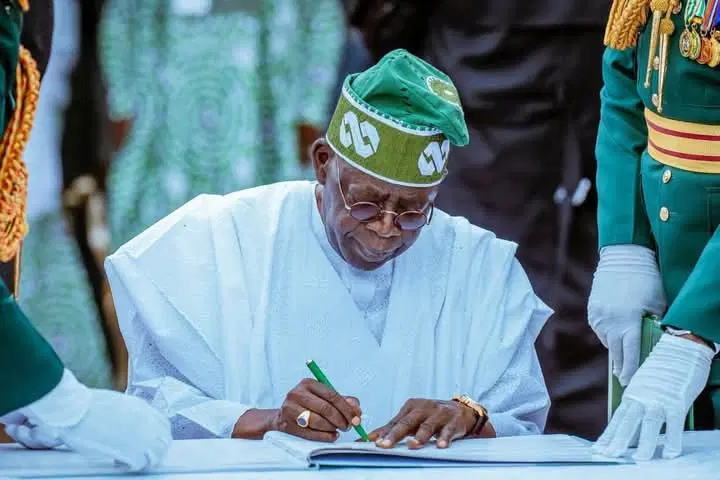
Eighteen years after Nigeria’s last headcount, President Bola Tinubu is shaking things up, announcing plans on Monday, February 24, 2025, to form a committee to wrestle the stalled national census into sync with the country’s shaky finances. The move came after a sit-down with National Population Commission (NPC) brass, led by Chairman Nasir Kwarra, and it’s a blunt admission: Nigeria’s been flying blind too long, and Tinubu’s tired of the excuses.
The Census That Wasn’t
Nigeria hasn’t tallied its people since November 2006, a gap that’s left planners guessing at everything from jobs to food supplies. The NPC’s tried—pumping cash into tech to make the next count sharper and cleaner—but it’s been a slog. Money’s tight, insecurity’s a nightmare, and COVID-19 threw a wrench in the works. The 2023 census? Shelved thanks to budget woes and a government handover. Bayo Onanuga, Tinubu’s info strategist, laid it out in a statement titled “Nigeria moves closer to fresh census”: it’s been a mess of delays and false starts.
Tinubu’s not here for it. “This stop-and-go activity on the census cannot work with me,” he snapped during the meeting. “We better have a definite path.” His fix? A committee to eyeball the numbers—where the cash is, where it’s coming from, and what’s needed before he greenlights the whole show. “Where can we get help, and what can we lift before we embark on proclamation?” he asked, pushing the NPC to get creative.
Why It’s a Big Deal
Tinubu’s not mincing words: without a proper census, Nigeria’s stumbling in the dark. “We must ascertain who we are, how many we are, and how to manage our data,” he said. No accurate headcount means no real plan for jobs—crucial with a youth population ready to boil over—or for farming and food security, where Nigeria’s still scrambling. “So many problems come up without accurate data,” he added, and he’s not wrong. Development’s a guessing game when you don’t know who you’re building for.
The president’s betting on a census with biometric heft, the kind of hard numbers that could sharpen policy and lift living standards. Done right, it’s a lifeline for a government trying to prove it can deliver. Done wrong—or delayed again—it’s another broken promise.
The Plan and the Pitfalls
The committee’s job is no picnic: figure out funding in a cash-strapped economy, maybe lean on foreign help, and make sure the NPC’s tech isn’t just shiny window dressing. Tinubu’s pushing them to “rise to the task,” but the hurdles are steep. Insecurity could still scare off enumerators, and if the money doesn’t materialize, this could be another false dawn. Past attempts have crumbled under less pressure.
Still, there’s a flicker of grit here. Tinubu’s framing it as a make-or-break moment—get the data, and Nigeria can plan for real; fumble it, and the chaos deepens. The NPC’s got the tools; now it’s about the will and the wallet.
What’s at Stake?
This isn’t just bureaucratic housekeeping. An accurate census could rewrite Nigeria’s playbook—pinpointing where jobs need to go, where farms need support, where the future’s taking shape. It’s a chance to ditch the guesswork that’s hobbled everything from schools to security. Globally, it’d give Nigeria sharper cred too—investors and aid folks love hard numbers. But if the committee bogs down or the count’s botched, expect more drift, more distrust, and a louder chorus asking what the government’s even good for.
Tinubu’s putting his stamp on this one. Whether it’s a breakthrough or a bust, Nigeria’s about to find out what he’s made of—and what it’s made of too.