
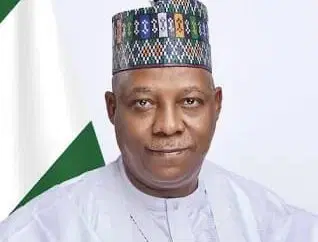
Vice President Kashim Shettima’s recent comments downplaying federalism as Nigeria’s main problem have sparked strong reactions from across the country, reopening a heated debate about how the country is governed.
Speaking at the Leadership Annual Conference in Abuja, Shettima said that corruption—not the structure of the federation—is Nigeria’s biggest obstacle. He argued that poor management of existing resources is what truly holds the country back.
“Our problem isn’t how much each state gets,” he said, “it’s how well the money is used.” He added that Nigeria doesn’t need to copy foreign systems but should instead focus on reforms that fit the country’s unique situation, including support for stronger local government through legal means.
But many regional groups quickly pushed back, saying Nigeria’s weak federal structure actually fuels corruption.
Middle Belt Forum: The System Is Broken
Dr. Bitrus Pogu of the Middle Belt Forum said Nigeria’s current setup makes corruption worse. “If the structure is wrong, everything else will go wrong,” he said. He believes real federalism would create more accountability and national unity.
Ohanaeze Ndigbo: Fix the System First
Igbo group Ohanaeze Ndigbo also disagreed with Shettima. Spokesman Dr. Ezechi Chukwu said corruption is a result of a broken system. “If we fix the foundation—like financial independence and proper institutions—then fighting corruption becomes easier,” he said.
Afenifere: Restructuring Comes First
Yoruba group Afenifere also weighed in. Spokesperson Jare Ajayi said Nigeria must first be restructured to solve deeper issues. “True federalism won’t end corruption overnight, but it would create the right setup to control it,” he said.
Arewa Consultative Forum: Look in the Mirror
The Arewa Consultative Forum (ACF) didn’t hold back. Spokesman Prof. Tukur Muhammad Baba said the government isn’t doing enough to fight corruption and may even be part of the problem. “They talk tough but act differently,” he said.
Niger Delta’s Briggs: Leaders Fear Real Change
Ann Kio Briggs, a Niger Delta activist, said politicians resist federalism because it would limit the money and control they enjoy. “Corruption is just one piece. If we had real federalism, we could manage our own resources and reduce corruption,” she said.
What’s Next for Nigeria?
This debate highlights a deeper issue—whether Nigeria needs to change how the country is run at its core, or whether better leadership within the current system is enough. With economic challenges, weak institutions, and growing insecurity, many say the time for real reform is now.