
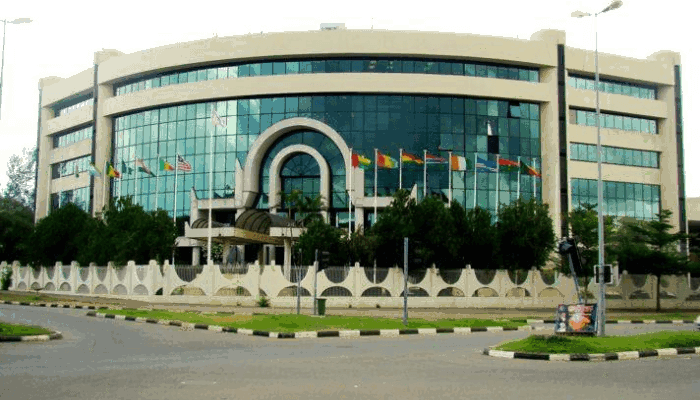
The Economic Community of West African States (ECOWAS) Anti-Corruption Protocol is a regional initiative aimed at combating corruption in West Africa. Adopted in 2003, the protocol promotes good governance, transparency, and accountability among member states, while strengthening cooperation and coordination among national anti-corruption institutions.
Vice President Kashim Shettima, representing President Bola Ahmed Tinubu, emphasized the importance of implementing the protocol.
The ECOWAS Chairman urged member countries to move beyond rhetoric and focus on concrete actions.
Nigeria’s Attorney-General of the Federation and Minister of Justice, Lateef Fagbemi (SAN), stressed, “The fight against corruption is not just a matter of institutional duty, but a crucial step towards securing a better future for our nations. We must work diligently to implement policies and strategies that effectively counter this menace.”
Nigeria’s Minister of Foreign Affairs, Ambassador Yusuf Tuggar, highlighted the alarming scale of financial loss due to corruption, stating that Africa loses $88.6 billion annually to illicit financial flows – funds that could have been used for essential public services like schools and hospitals.
The Chairman of the Economic and Financial Crimes Commission (EFCC), Mr. Ola Olukoyede, warned, “Corruption continues to evolve, adopting new forms and exploiting technological advancements. We must constantly adapt our strategies and enhance our capabilities.”
The Chairman of the Independent Corrupt Practices Commission (ICPC), Dr. Musa Adamu Aliyu, noted, “Confronting this hydra-headed monster has become imperative given the debilitating challenges and effects posed by corruption on economic development.”
Ashley Emenike, a seasoned legislative and anti-corruption expert, and former governorship candidate in Rivers State, noted, “Addressing corruption in West Africa requires a paradigm shift from reactive to proactive measures, leveraging technology, and fostering a culture of integrity across all sectors to achieve sustainable impact.”
The representative of the ECOWAS President, Commissioner for Political Affairs, Peace, and Security, Abdel-Fatau Musah, acknowledged, “Corruption remains one of the most significant challenges facing our nations. It undermines economic growth, erodes public trust, and hinders the development of our societies.”
Corruption remains a significant challenge in West Africa, undermining economic growth, eroding public trust, and hindering development. The ECOWAS Anti-Corruption Protocol offers a critical framework for addressing this issue, and its successful implementation is crucial for creating a corruption-free West Africa.