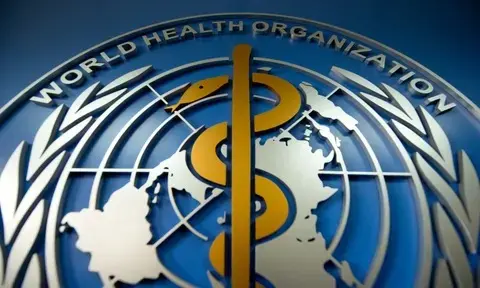
ABUJA — The World Health Organization (WHO) has issued a stark warning that Nigeria, along with Haiti, Kenya, Lesotho, South Sudan, Burkina Faso, Mali, and Ukraine, faces a looming shortage of HIV treatment supplies in the coming months. The warning comes as these countries grapple with disruptions in international funding and an escalating global health crisis that could reverse decades of progress.
At a press conference, WHO Director-General Tedros Adhanom Ghebreyesus warned that “the disruptions to HIV programs could undo 20 years of progress,” potentially leading to over 10 million additional HIV cases and three million HIV-related deaths. These alarming projections follow a severe funding freeze implemented by the U.S. International Development Agency during Donald Trump’s administration, which slashed multi-year contracts by more than 80 percent.
In response to the funding cuts, the Nigerian government has taken swift measures. Authorities have approved $1 billion for healthcare sector reforms and allocated an extra $3.2 million to procure 150,000 HIV treatment packs over the next four months starting from February. Despite these interventions, the global health agency cautions that Nigeria still faces substantial disruptions that could lead to a complete depletion of its HIV treatment supplies.
The crisis extends beyond HIV. Efforts to combat other infectious diseases such as polio, malaria, and tuberculosis have similarly been undermined by the U.S. foreign aid pause. Moreover, the WHO-coordinated Global Measles and Rubella Laboratory Network—comprising over 700 sites worldwide—now faces an imminent shutdown. This comes as measles makes an unsettling comeback in parts of the United States.
Tedros stressed the responsibility of the United States in this unfolding scenario: “The United States has a responsibility to ensure that if it withdraws direct funding for countries, it’s done in an orderly and humane way that allows them to find alternative sources of funding.”
The funding crisis is not limited to HIV and measles programs. In Afghanistan, shortages have forced the closure of 80 percent of WHO-supported essential healthcare services. As of March 4, 167 health facilities had already shut down, with over 220 more at risk of closure by June. The U.S. plan to exit the WHO has compounded these challenges, forcing the agency to freeze hiring and initiate significant budget cuts. The organization now plans to reduce its funding target for emergency operations from $1.2 billion to $872 million in the 2026-2027 budget period.
As nations worldwide confront the ripple effects of these funding cuts, health experts warn that urgent, coordinated international action is required to prevent a catastrophic setback in global health achievements. The coming months will be critical in determining whether these disruptions can be mitigated before millions of lives are adversely affected.