
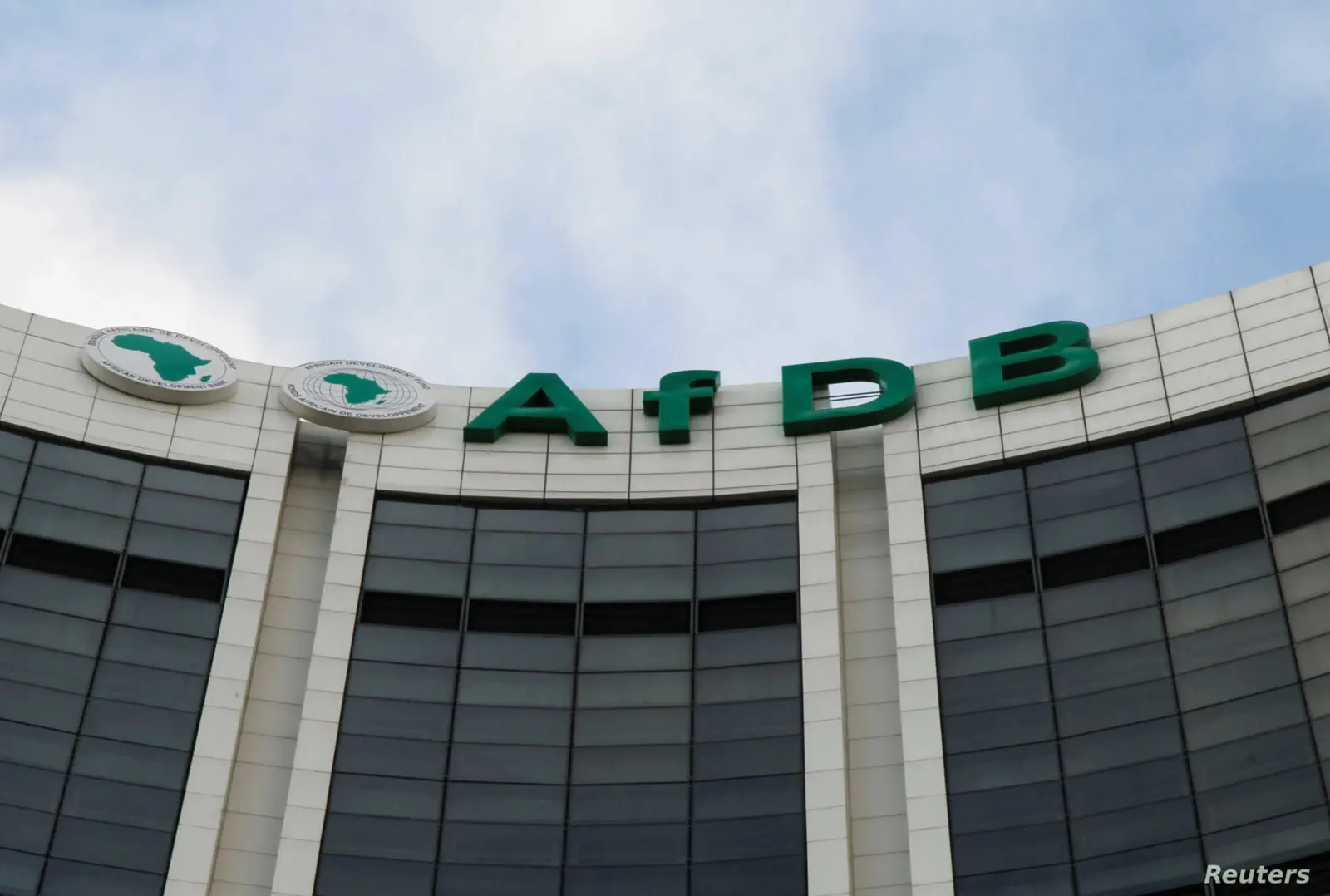
Lamin Barrow, Director-General for West Africa at the African Development Bank (AfDB), announced that the bank’s cumulative financing approvals in Nigeria have reached $10.9 billion. He made this statement during the Second Interactive Session and Workshop on Developing Bankable Business Proposals/Business Plans for Youths in Agriculture held in Abuja on Monday.
The event, part of the Bank’s 60th Anniversary celebrations, highlighted the AfDB’s long-standing cooperation with Nigeria, which is its largest shareholder. Barrow noted that the bank’s portfolio currently stands at $4.9 billion, supporting various public and private sector projects.
Since assuming office, AfDB President Dr. Akinwumi Adesina has prioritized the High 5 agenda—Power, Feed, Industrialize, Integrate, and Improve the quality of life for Africans. These initiatives are key to achieving the Sustainable Development Goals (SDGs) and the African Union’s Agenda 2063, impacting over 400 million people.
The workshop aimed to address challenges faced by youths and women in agribusiness, focusing on enhancing their skills in preparing bankable proposals to unlock financial support. Barrow applauded Nigeria’s efforts to boost agricultural productivity and combat food insecurity amid high food inflation.
AfDB Vice-President Marie-Laure Akin-Olugbade emphasized the potential of agriculture as a business and a major driver of economic growth and poverty reduction in Africa. She pointed out that agriculture could effectively reduce poverty more than other sectors and projected that Africa’s food and agriculture market would be valued at $1 trillion by 2030.
Highlighting the significant role of women in agriculture, Akin-Olugbade stressed the need for policies that empower and invest in youth and women farmers, pushing for Africa’s food sovereignty. She encouraged youth and women, labeling them as both the present and future of Africa’s agriculture, to innovate and drive a new agricultural revolution.
The event drew government officials, partners, and stakeholders in the agricultural value chain, demonstrating a collective commitment to advancing Africa’s agricultural sector.