By NNH News Channel
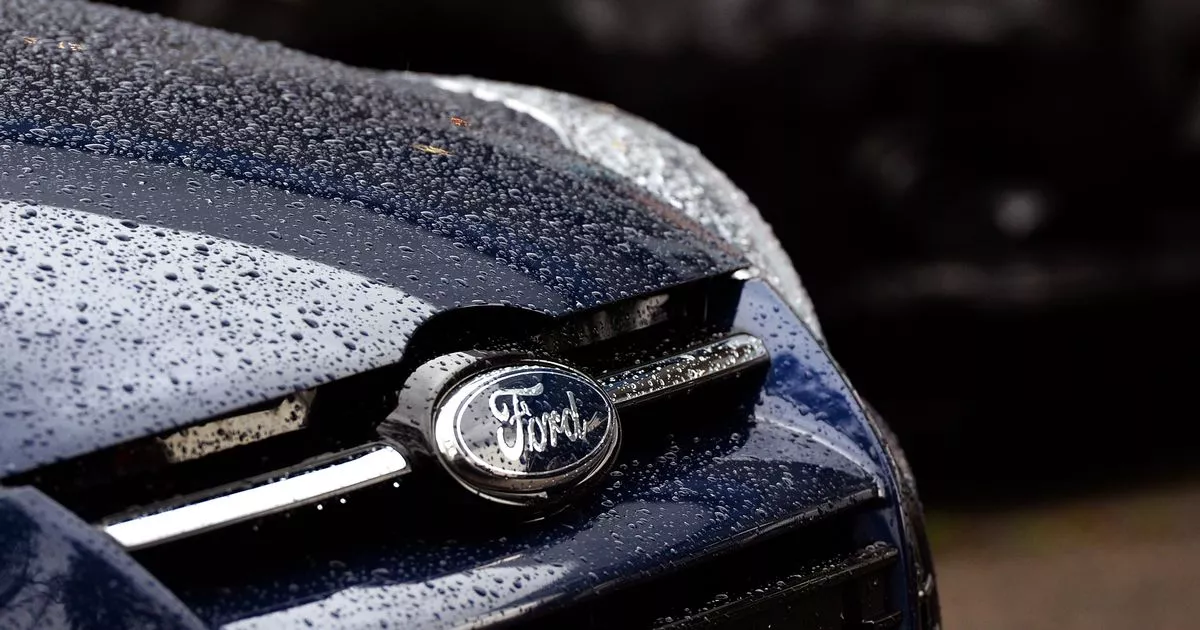
Ford is recalling more than 800,000 vehicles worldwide after U.S. regulators uncovered serious safety flaws. Nearly 500,000 vehicles risk brake fluid leaks, 213,000 have faulty tail lights, and over 100,000 face airbag tears.
Safety Risks Behind the Recall
These defects pose real dangers. Brake leaks can extend stopping distance and trigger deadly crashes. Faulty tail lights make cars nearly invisible at night, while airbags that rip may fail in an accident. Pedestrians, passengers, and other motorists are all at risk.
Nigeria’s Unique Burden
In the U.S., recalls are free, and owners are contacted directly. But Nigeria’s reality is different:
– Most vehicles are Tokunbo imports, often already covered by global recalls.
– Owners rarely receive official notifications.
– Weak dealership networks mean many drivers pay for parts and repairs themselves.
The hidden costs are high: hospital bills, property damage, insurance claims, and lives lost. Nigerians end up disenfranchised from protections enjoyed abroad.
Public Safety on Our Roads
Unattended recalls on Nigerian highways create “rolling hazards.” A car with failed brakes can barrel into markets or bus stops. Vehicles with dead tail lights vanish into night traffic on Lagos–Ibadan expressway. Airbags that don’t deploy leave passengers defenseless.
This Is Not New
Nigeria has faced similar crises before:
– Toyota (2014–2020): Millions recalled for Takata airbags, many imports landed in Nigeria.
– Honda (2016): Exploding airbag inflators affected thousands of second-hand vehicles here.
– Hyundai & Kia (2019): Engine fire recalls abroad, same models sold locally.
– Nissan (2019): Brake light and camera defects carried over into Nigerian markets.
These cases expose a painful truth: Nigeria has no effective recall enforcement system. Unsafe cars banned abroad too often end up here.
What Drivers Can Do
Owners can still act:
– Check your car’s VIN on Ford’s or National Highway Safety Administration (NHTSA)’s recall sites.
– Ask Nigerian Ford dealers if they are honoring fixes.
– If no support exists, budget to replace critical safety parts.
The Bigger Picture
Ford’s recall is a global headline, but in Nigeria it is a survival issue. Until consumer protection laws cover recalls, our highways will remain a dumping ground for defective vehicles. The cost is not just mechanical — it is counted in lives, livelihoods, and public trust in safety.