
NNH Op-Ed
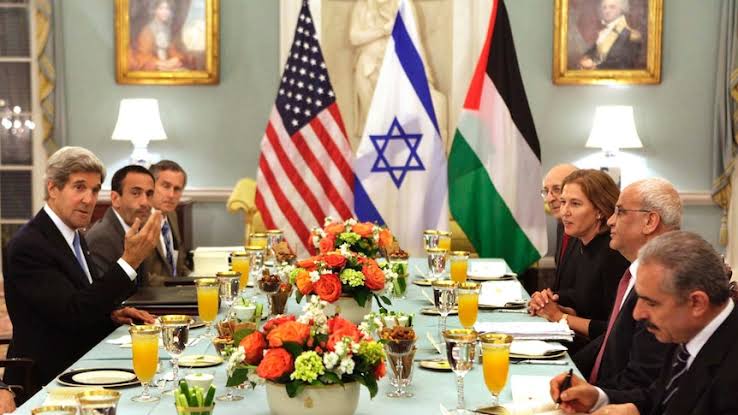
The latest missile attack by Iran on Israel has sparked a complex mix of emotions across the Middle East. While some governments tout it as a bold statement of solidarity, many citizens are exhausted by the endless cycle of violence. From Tehran to Beirut, Gaza to Sana’a, people are questioning the wisdom of their leaders’ actions. “I’m tired of living in fear of retaliation,” says a young Iranian mother. “We want to provide for our families, educate our children, and live in peace. Not perpetually dread the next airstrike.”
In Lebanon, a Hezbollah supporter confesses, “We’re fed up with being pawns in a regional power struggle. Our economy is crumbling, and our leaders prioritize war over welfare.” Palestinians, too, are skeptical of their leaders’ motives. “We want self-determination, not perpetual conflict,” says a Gaza resident. “Our lives are constantly disrupted by unnecessary wars. We yearn for stability and prosperity.”
Yemenis, caught in the crossfire of the Saudi-Iran proxy war, lament, “We’re struggling to survive amidst famine, cholera, and airstrikes. Our leaders’ obsession with regional politics only exacerbates our suffering.” The region remembers Israel’s decisive victories in the Yom Kippur and 6-Day Wars. The consequences of conflict are clear: devastating losses, economic ruin, and long-term instability.
Some citizens call for regime change, hoping for an end to authoritarian rule. However, the examples of Libya, Iraq, and Syria serve as stark reminders of the chaos that can follow. Foreign intervention can lead to fractured governance, extremist groups, and further devastation. In this precarious landscape, the choice between dogma and dialogue is crucial.
Dogma perpetuates entrenched ideologies, fueling hatred and division. It silences moderate voices, stifling debate and progress. Dialogue, on the other hand, opens doors to understanding, fostering cooperation and mutual respect. It acknowledges the complexities of human experience, seeking common ground amidst differences. The international community must encourage dialogue, supporting initiatives that bring people together across borders and creeds.
Economic development, cultural exchange, and education can bridge the gaps between nations. By prioritizing cooperation over confrontation, we can create a future where diversity is celebrated and humanity prospers together. Visionary leaders like Elon Musk inspire us with a different future, one where humanity collaborates across borders, advancing science, technology, and culture to become a multi-planetary species.
The people of the Middle East are crying out for peace. It’s time for their leaders to listen and prioritize the well-being of their citizens over ideological zeal. The world must support this silent majority, fostering a future where humanity thrives together.