By NNH NewsCorp
The Federal Reserve has just delivered its first rate cut since December 2024 — a quarter-point trim that brings interest rates down to the 4.00–4.25% range. Wall Street cheered, Main Street breathed easier, and yet the political undertone could not be louder: was this Jerome Powell’s Fed bowing to President Trump’s relentless pressure, or was it simply the unavoidable logic of the economic moment?
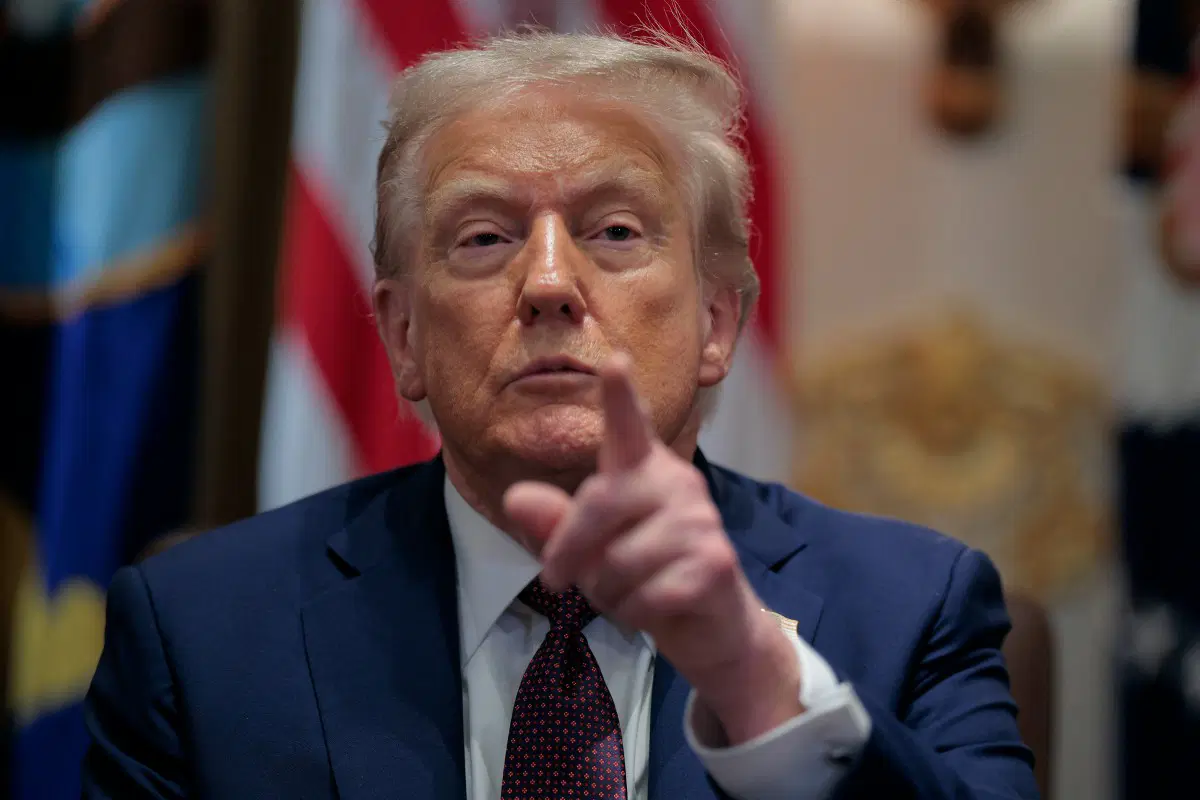
For months, Trump has fired from the podium and his social media arsenal, demanding a more aggressive monetary easing. He has not minced words in criticizing Powell, nor in pushing Congress and the Senate to back nominees more sympathetic to his worldview. With the recent confirmation of Stephen Miran — who promptly dissented in favor of a deeper half-point cut — Trump’s influence inside the Fed’s own chambers is no longer speculative. It is real.
And yet, to frame this cut as a Trump victory alone would be to oversimplify. Economic data had been signaling cracks in the labor market. Job growth has slowed. Inflation, while still elevated, has softened enough to give the Fed breathing space. Financial markets had already priced in the September cut, making it risky for the Fed to stall without undermining its credibility. In many ways, this was as much about preserving the Fed’s independence and mandate as it was about placating a president who has made rate policy part of his political campaign.
Here lies the delicate irony: Trump may claim credit, and indeed his pressure mattered, but the cut was not his to command. It was also inevitable — the natural response of a central bank balancing slowing growth against stubborn inflation. The Fed acted because the numbers demanded it. But Trump, as always, has mastered the optics. In the battle of perception, he will walk away looking like the man who forced the Fed’s hand, whether that’s true or not.
The real question now is what follows. With two more cuts penciled in for the year, does the Fed retain its independence, or is this the beginning of a new era where politics and monetary policy blur beyond recognition? For investors, borrowers, and ordinary Americans, the answer will shape not just their monthly payments, but their faith in the very institutions designed to shield the economy from politics.
One thing is clear: the Fed can cut rates, but it cannot cut away Trump’s shadow from the decision.